
You own a fibreglass pool in Mackay. Cleaning and repairs cost more than you expected. Bills surprise you every few months.
Unexpected green water, pump trouble, or stains turn small jobs into big expenses. Equipment breakdowns or surface damage add hundreds fast. Costs pile up when problems grow.
This guide shows how often fibreglass pools need service, what repairs cost, and how to cut bills in Mackay. You will see simple steps to stay on top and save money.
Highlights
- Servicing includes routine maintenance, such as daily checks, and common repairs, such as surface fixes.
- Maintenance covers quick daily checks, weekly cleaning, monthly equipment, seasonal care, and yearly inspections in Mackay.
- Repairs have no fixed schedule but include minor surface work and equipment fixes when needed.
- Factors such as pool usage, climate, trees, water balance, age, and equipment affect service frequency.
- Reduce costs with simple routines, early fixes, fibreglass-safe products, and service records for Mackay pools.
What Counts as Fibreglass Pool Servicing?
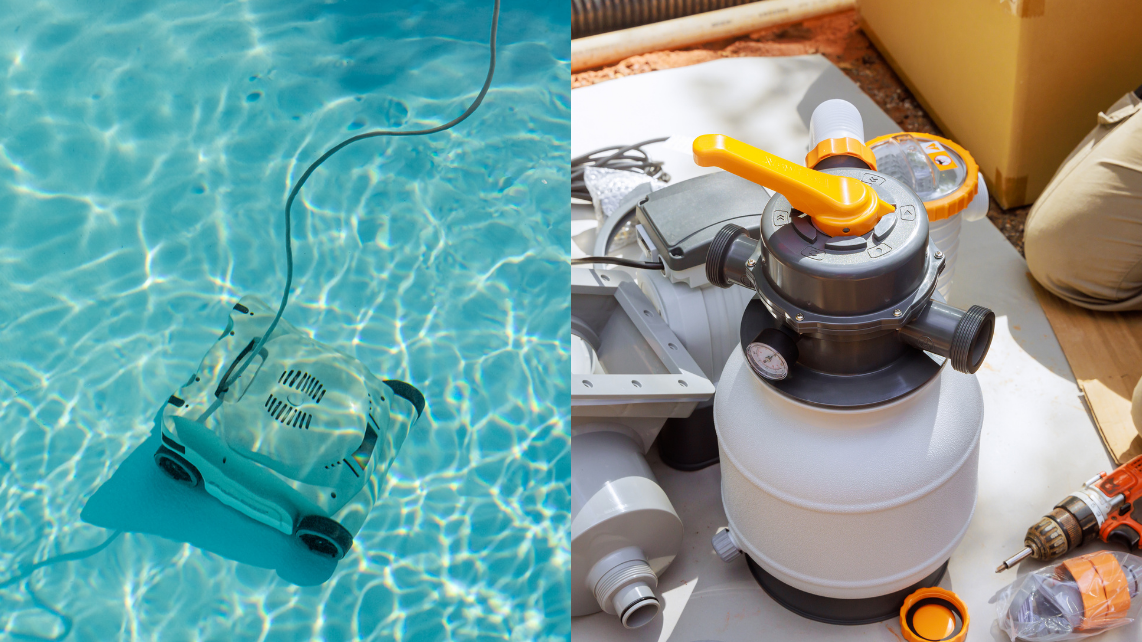
Fibreglass pool servicing covers more than one job. It includes the regular care that keeps the water clean and the equipment running well, but it also includes repair work when something starts to go wrong. Things like skimming, vacuuming, balancing the water, and cleaning baskets all sit under servicing.
It also covers the fix-up side of pool ownership. That can mean sorting out stains, surface damage, leaks, pump issues, or other problems that affect how the pool looks or works. So when we talk about servicing in this guide, we mean both maintenance and repairs.
Routine Maintenance
Routine maintenance is the ongoing care your pool needs to stay clean, safe, and easy to use. It includes checking the water, removing leaves and dirt, brushing the surface, vacuuming the floor, and keeping the filter and baskets clean.
The good news is that fibreglass pools are usually easier to look after than rougher pool finishes because the smooth surface gives algae and grime less to cling to. Even so, they still need steady care. Small jobs done often are what help stop cloudy water, stains, and avoidable wear.
Common Repairs
Repairs differ from routine care because they occur when something is damaged, worn, or not working as it should. In a fibreglass pool, this might be a minor surface issue, fading, equipment trouble, plumbing faults, or a bigger job like resurfacing later.
Some repairs look minor at first, but they should not be ignored. A rough patch, leak, odd pump noise, or recurring water problem can turn into a bigger, more expensive issue if left too long.
DIY or Professional?
Some fibreglass pool jobs are fine to do yourself. Regular cleaning, emptying baskets, basic water testing, and simple visual checks are all things many owners can handle with a bit of routine. These small jobs save money and help you spot trouble early.
But not every pool problem should become a DIY project. If you notice leaks, cracks, pump trouble, water that keeps going green, or anything that may involve draining the pool, it is much safer to call a professional. Bigger repair work needs the right tools, the right products, and the right know-how to avoid making the problem worse.
Fibreglass Pool Maintenance: How Often and How Much?
Looking after a fibreglass pool is mostly about staying consistent. In a place like Mackay, warm weather, rain, and regular swimming can all make maintenance more frequent, so it helps to break the work into daily, weekly, monthly, seasonal, and yearly tasks.
Quick Daily Checks
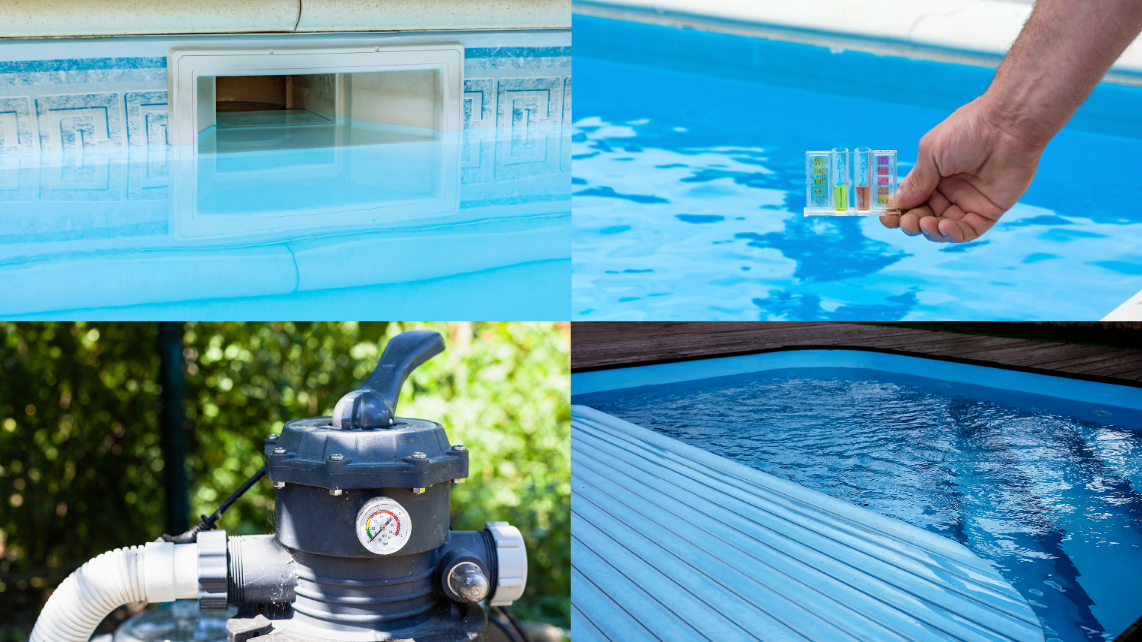
These are just a fast look at the pool and the equipment so you can spot early signs of trouble. A few minutes here can save you from a bigger clean-up later.
Here are the main things to check each day:
- Look at the water and make sure it is clear, not cloudy or green.
- Remove floating leaves, bugs, or light debris from the surface.
- Check that the water level still looks normal.
- Listen for odd noises from the pump and filter.
- Glance at the skimmer basket for obvious blockages.
Most owners can do these checks themselves with no trouble. This simple DIY pool care is one of the easiest ways to stop small problems from turning into bigger ones.
For costs, daily checks are basically part of your own time if you do them yourself. If you prefer paid help, it is usually bundled into a regular service visit rather than charged as a separate daily job, with Mackay services starting from about $100 to $400 per visit.
Weekly Cleaning Tasks
Weekly cleaning is where you do the real hands-on work. This is the routine that removes built-up dirt, keeps the shell looking clean, and helps the water stay balanced and healthy. For most fibreglass pools, this is the core maintenance routine.
A good weekly clean usually includes these jobs:
- Skim the surface properly, especially after wind or rain.
- Brush the walls, steps, and waterline gently.
- Vacuum the floor to remove settled dirt and debris.
- Empty the skimmer basket and pump basket.
- Clean the filter if it is due.
- Test the water and adjust chemicals if needed.
This can still be DIY for many owners, especially if the pool is already in good condition. If the water has gone green, the pool has not been cleaned for a while, or the system is not running well, getting a professional in is often the quicker and safer option.
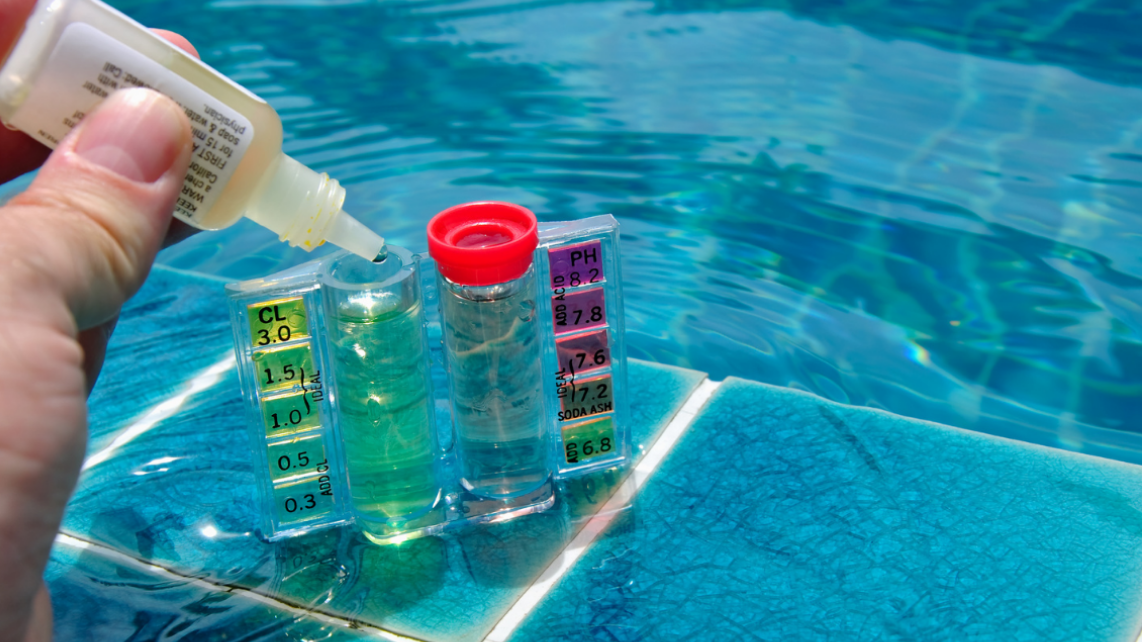
Across Australia, basic cleaning and servicing for a fibreglass pool is often around $100 to $1,000, depending on how much you do yourself and what needs to be done.
Monthly Equipment Checks
Monthly equipment checks help you look past the water and focus on how the pool is running. A pool can still look clean even when the filter is dirty, a seal is wearing out, or the pump is starting to struggle. That is why a monthly check matters.
A simple monthly equipment check can include:
- Clean or inspect the filter so water can flow properly.
- Check the pump for leaks, rattles, or strange noises.
- Look at lids, unions, and seals for wear or drips.
- Make sure the chlorinator or sanitising system is working well.
- Review water test patterns for repeating balance issues.
- Check for weak return flow or slow circulation.
Some of this can be done DIY if you know your system and feel confident checking the basics. But if the pump is noisy, the filter is underperforming, or you think a part may need repair or replacement, it is better to bring in a professional before a small fault turns into a bigger one.
In Australia, basic pool servicing and light equipment checks are often covered within the usual $500 to $1,000 yearly maintenance range for fibreglass pools. If you book a separate call-out for equipment diagnosis, you may pay around $100-$300 for an on-site check, depending on what is included.
If a worn part needs replacing, costs can rise. As a rough guide, pool pumps can cost around $500 to $1,000, filters can sit around $300 to $600, and a full pump replacement with installation can range much higher depending on the model and labour.
Seasonal Pool Care
Seasonal pool care is about adjusting your routine when weather and pool use change. In Mackay, heavy rain, humid weather, hot days, and more swim time can all affect water balance, debris levels, and how hard your equipment has to work.
Here are a few seasonal jobs worth adding to your routine:
- Test and rebalance the water after heavy rain.
- Clean baskets and filters more often in busy swim periods.
- Check stabiliser, chlorine, and pH when the weather is very hot.
- Use a pool cover when the pool is not used much.
- Top up water if evaporation drops the level too far.
- Watch for storm debris or sudden water changes after bad weather.
A lot of seasonal care can still be done DIY, especially if it is just extra testing, light cleaning, or topping up the pool. But if rain has badly affected the water, the pool turns green, or the pool ever needs draining, it is much safer to get a professional involved.
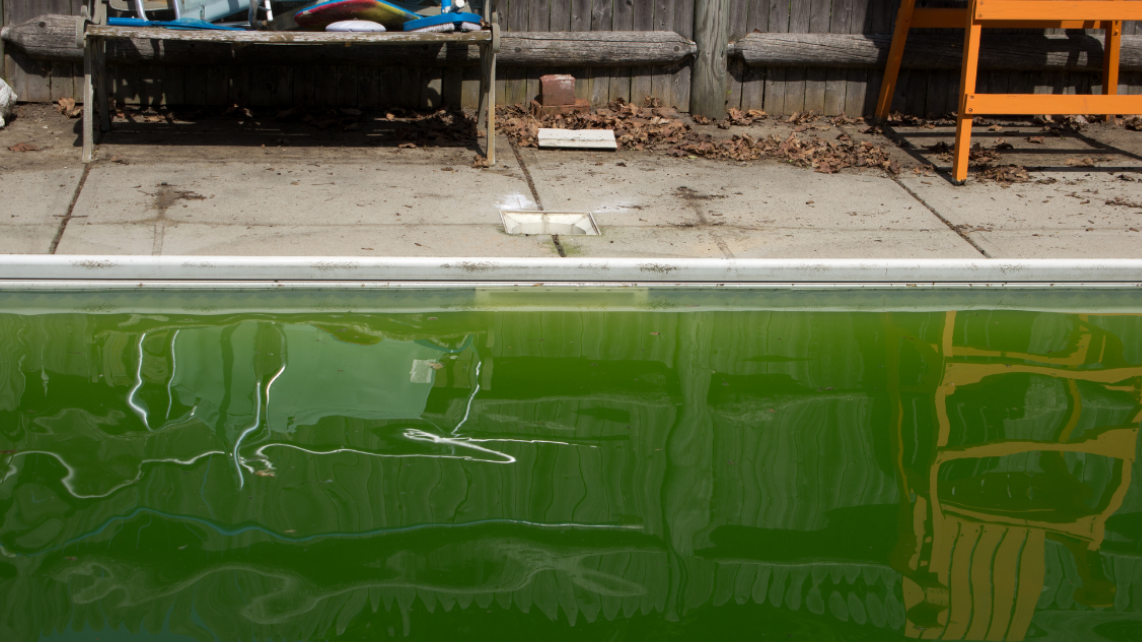
For cost, seasonal care often shows up through extra chemicals, extra cleaning, and a few more service visits during warmer or wetter months. In Australia, pool chemicals often cost about $30 to $100 per month, and yearly chemical budgets in Mackay are commonly around $300 to $700, depending on pool size, rainfall, and how often the pool is used.
Annual Professional Inspections
An annual professional inspection is like giving your pool a full health check. It looks at everything from the water quality to the equipment and the shell itself, even if the pool seems fine on the surface. This is the time to find any quiet issues that could become expensive later.
Here are the main things covered in a yearly inspection:
- Check the pump, filter, and chlorinator for wear.
- Inspect the shell for cracks, chips, or surface wear.
- Look for leaks in plumbing or fittings.
- Test water balance and circulation flow.
- Review the safety fence and gate operation.
- Spot any parts that may need repair soon.
These inspections should always be done by a professional. The tools, experience, and access to parts make it the safest way to check your whole system without risking damage or missing something important.
In Australia, a full pool safety inspection often costs between $200 and $600, with some Mackay services starting around $300, including the certificate.
Fibreglass Pool Repairs: How Often and How Much?
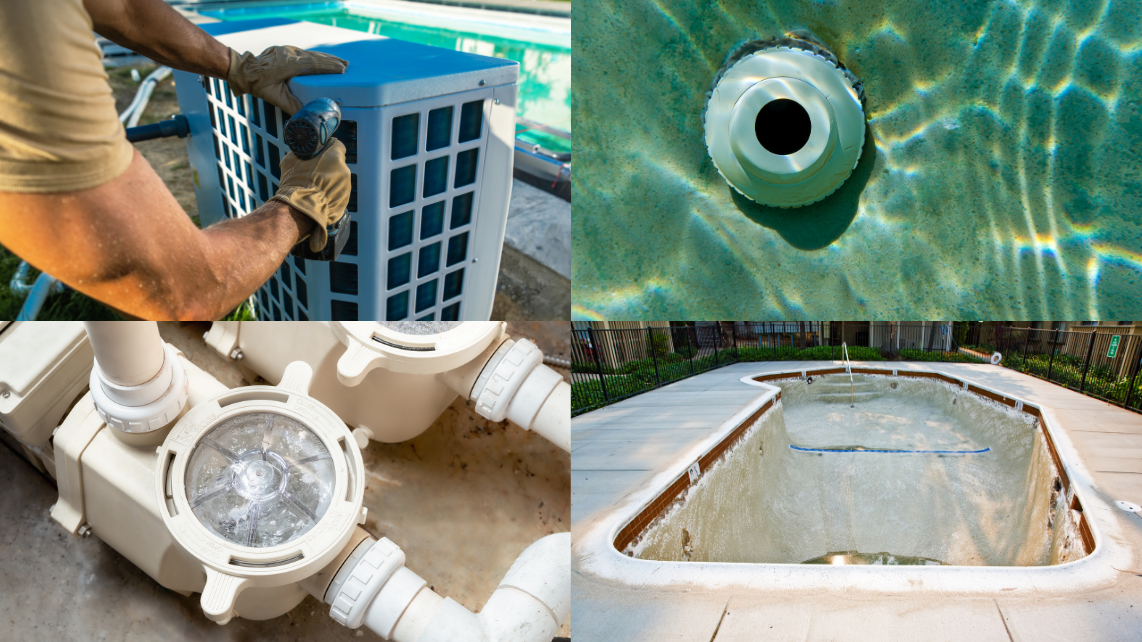
Fibreglass pool repairs are not part of a regular schedule like maintenance jobs. They usually happen when something goes wrong, such as damage to the surface, equipment trouble, leaks, or wear that shows up over time. But fibreglass pools are built tough, so repairs are often rare and less costly than with rougher pool types.
No Fixed Repair Schedule
Fibreglass pools do not need repairs on a set timetable. Unlike concrete pools that often need resurfacing every few years, fibreglass is smooth and strong. Repairs come up when you notice a problem, not because of a calendar date.
Here is what can trigger a repair:
- Chips or scratches on the pool shell.
- Blisters or rough patches on the surface.
- Leaks from plumbing or fittings.
- Pump or filter not working properly.
- Fading or stains that will not clean off.
- Cracks after heavy ground movement or impact.
Small repairs are best done by a professional. DIY fixes can work for tiny surface marks if you use the right gel coat kit, but most shell or plumbing repairs need specialist tools and materials to avoid making the damage worse.
In Australia, minor repairs like gel coat touch-ups or small crack fixes often cost between $900 and $4,000.
Minor Surface Repairs
Minor surface repairs cover small damage to the fibreglass finish. This can be scratches, chips, blisters, or stains that show up after years of use, heavy swimming, or something hitting the shell. These problems are common but usually easy to fix if caught early.
Here is what minor surface repairs often look like:
- Small chips from rocks or tools.
- Surface blisters that feel raised.
- Stains from metal, oils, or chemicals.
- Faded or dull patches on the gel coat.
- Light scratches near the waterline.
- Small cracks from ground pressure.
These repairs are best done by a professional. Fibreglass needs special gel coat, colour matching, and curing to look right and last, so DIY kits can work for very small marks but often fail on bigger jobs.
As mentioned, minor surface repairs like gel coat restoration or blister fixes usually cost $1,200 to $4,000. In Mackay, you might pay around $2,000 to $4,000 for a standard repair job, depending on the area affected and the exact colour match needed.
Equipment Repairs
Equipment repairs fix the parts that make the pool work. This includes pumps, filters, chlorinators, heaters, and plumbing lines. These issues often start with weak flow, strange noises, leaks, or water that stays dirty even after cleaning.
Here are some typical equipment repairs:
- Replacing worn pump seals or bearings.
- Cleaning or replacing filter cartridges.
- Fixing or changing chlorinator cells.
- Repairing plumbing leaks or cracked pipes.
- Clearing blocked lines or jets.
- Servicing heater elements or valves.
Equipment repairs are best handled by a professional. These jobs need the right parts, testing equipment, and know-how to make sure the system runs smoothly and safely again.
In Australia, equipment repairs like pump servicing often cost $100 to $300 for diagnosis and basic fixes. Filters are usually $300 to $600, and chlorinator cells sit around $250 to $500.
Pool Resurfacing
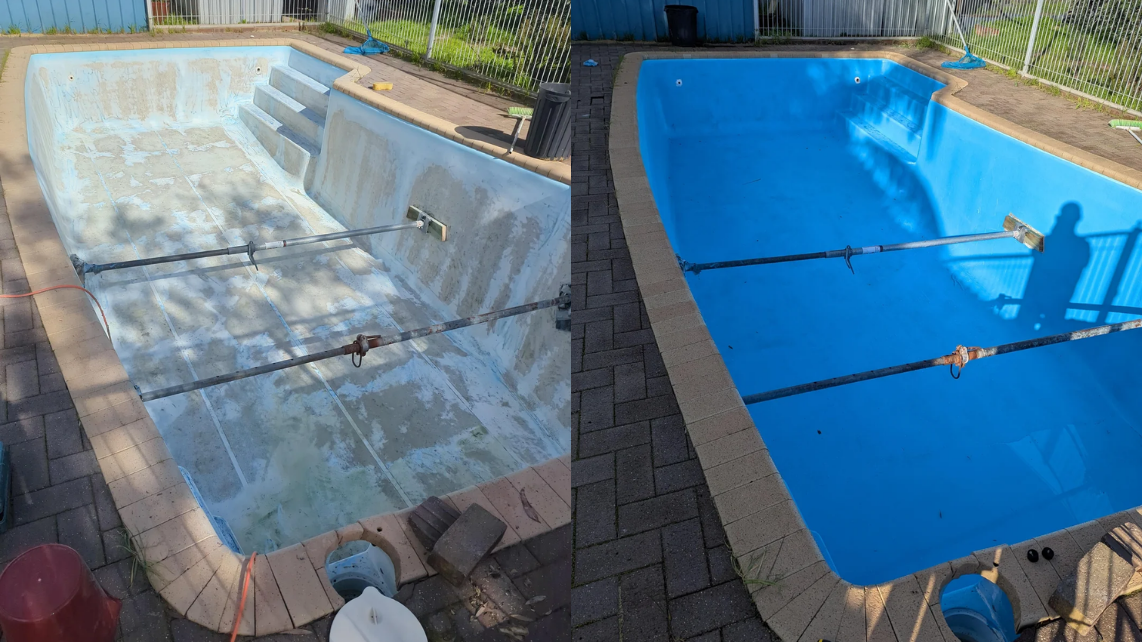 Before and after: This fibreglass pool was beautifully resurfaced after 20 years of algae buildup. Source: reddit.com
Pool resurfacing is needed when the fibreglass gel coat has worn badly after 10 to 20 years. It happens from prolonged sun exposure, chemical damage, heavy use, or poor early care that allows stains, fading, or rough spots to build up over time.
The resurfacing process starts with safely draining the pool. Next comes sanding or grinding to remove the old coat, fixing any cracks or blisters, and applying new layers of fibreglass resin and gel coat. The surface is then polished, cured, and refilled with balanced water. The whole job can take a few days to a week.
Pool resurfacing must be done by a professional. It requires specialist sanding tools, exact colour matching, proper resin mixing, and controlled curing conditions that DIY attempts rarely achieve.
In Australia, fibreglass pool resurfacing typically costs $5,000 to $15,000, depending on pool size and condition. In Mackay, a standard job often falls between $7,500 and $12,000, with smaller pools starting around $5,000 and larger ones or complex repairs going higher.
What Affects Maintenance and Repair Frequency?
A fibreglass pool's maintenance and repair needs depend on a few key things. Some pools need little work. Others see more cleaning or fixes. These factors show why one pool stays easy while another needs constant attention.
In Mackay, rain, heat, trees, and use patterns play a big role. Spotting these helps you plan your care routine and avoid surprises.
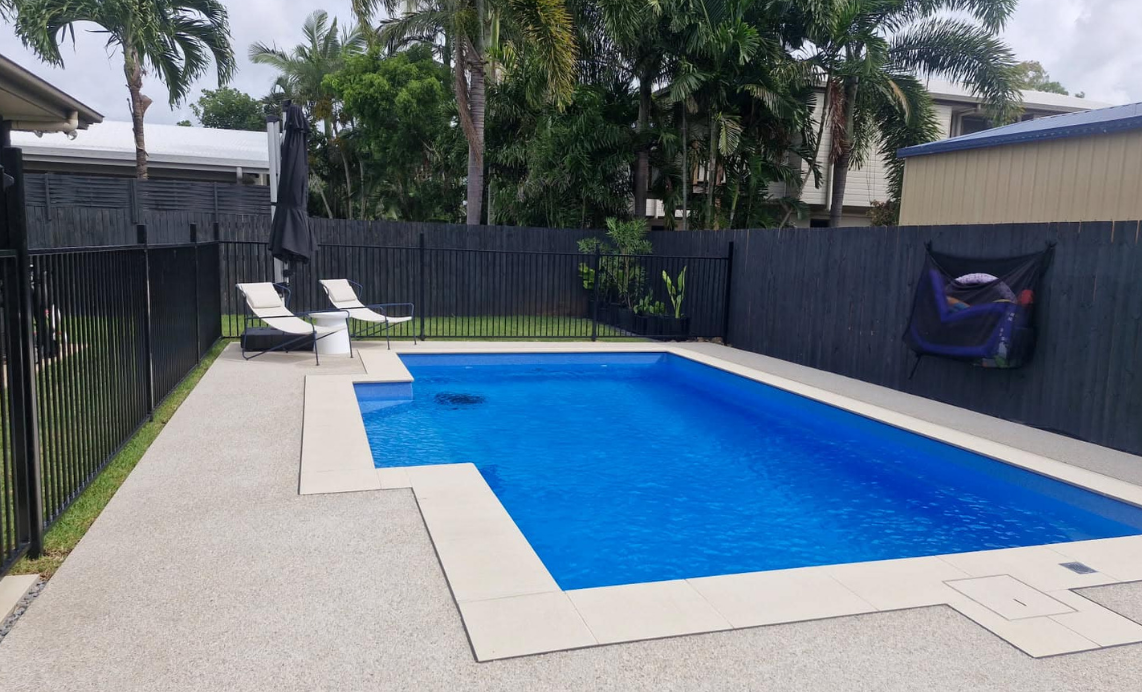
Here are the main factors that affect maintenance and repair frequency:
- Pool usage. Pools used heavily by family or friends get oils, hair, sunscreen, and dirt more quickly, which means more frequent cleaning, vacuuming, and water testing; but less use lets the pool stay cleaner longer with just basic checks.
- Local climate. Mackay's hot sun and rain speed up algae, evaporation, and chemical loss, leading to more frequent pH checks and treatments; drier or cooler periods mean fewer adjustments and less cleaning.
- Nearby trees and debris. Trees drop leaves, pollen, seeds, and sticks that clog skimmers, dirty filters, and cloud the water, requiring more skimming and basket emptying; fewer trees or open spaces cut down on this extra work.
- Water balance. Off-balance pH or chlorine causes stains, scale, green growth, and corrosion that demand more shocking, scrubbing, or fixing; steady levels from regular testing keep problems rare and reduce cleaning time.
- Pool age. Young pools have fresh gel coat and a strong structure that clean easily with less effort; older ones fade, crack slightly, or hold grime, requiring more brushing, chemicals, or surface repairs over time.
- Equipment condition. Clean filters and new pumps move water well to prevent algae and save chemicals, lowering maintenance; dirty or worn equipment causes poor flow, more debris, and breakdowns that increase cleaning and repair work.
How to Reduce Maintenance and Repair Costs
Maintenance and repair costs add up for any pool owner. The good news is you can lower them with smart habits. Small changes in routine, products, and timing make a big difference over time.
Follow a Simple Routine
A simple routine stops small problems from growing. When you clean and test on a regular schedule, you use fewer chemicals, save energy, and avoid breakdowns. It takes little time but pays off each month.
Here is a simple routine that works well:
- Skim the surface and empty baskets every few days.
- Test water and adjust chemicals once a week.
- Brush and vacuum the pool every week.
- Check the filter and pump weekly.
- Use a pool cover when not swimming.
- Note down water tests and jobs done.
You can follow this routine yourself. It is straightforward and uses basic tools. A professional helps if the water goes bad or the equipment acts up.
Fix Small Problems Early
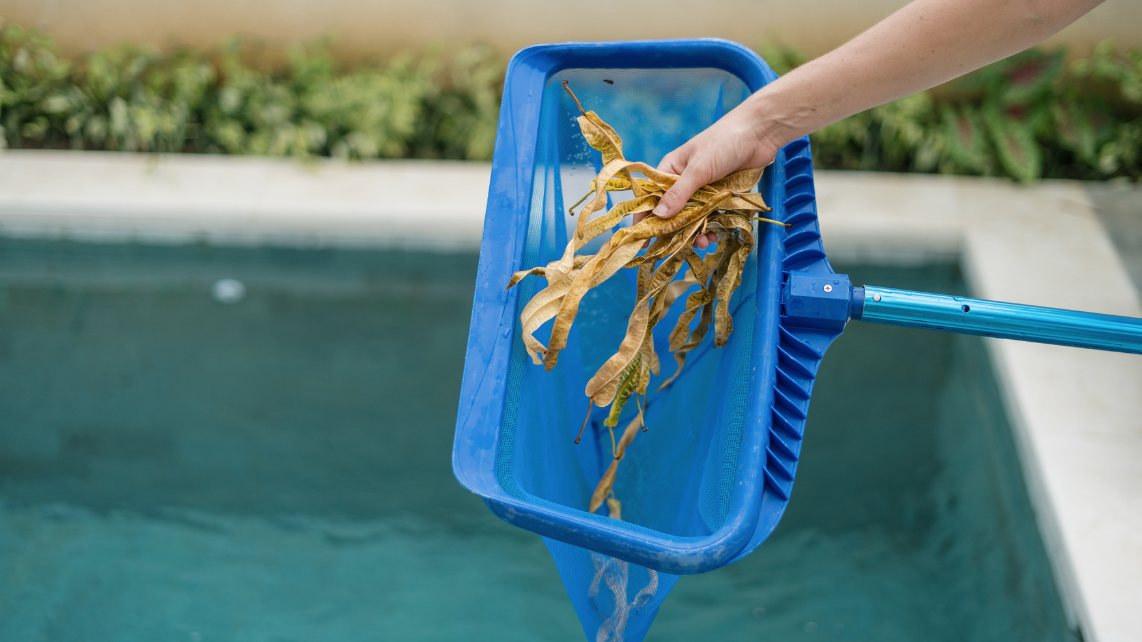
Small problems turn big if you wait too long. A dirty basket or off-water balance can lead to green water, stains, or broken equipment. Fixing early keeps costs down.
When you spot a leak, odd pump noise, cloudy water, or rough surface spot, deal with it right away. Early action stops water loss, algae spread, or part failure. This is often best done by a professional. They have the tools to test flow, match colours, and fix parts properly. DIY works for very small jobs, but bigger ones need expert help.
Use Fibreglass-Safe Products
The right products make cleaning faster and protect the pool surface. Harsh chemicals or rough brushes can damage the gel coat, leading to stains, fading, or early repairs. Safe products save money by keeping the shell smooth and easy to look after.
Choosing products made for fibreglass means less scrubbing, fewer chemicals, and longer-lasting results. They clean without scratching or dulling the finish, which cuts down on repeat treatments and surface work.
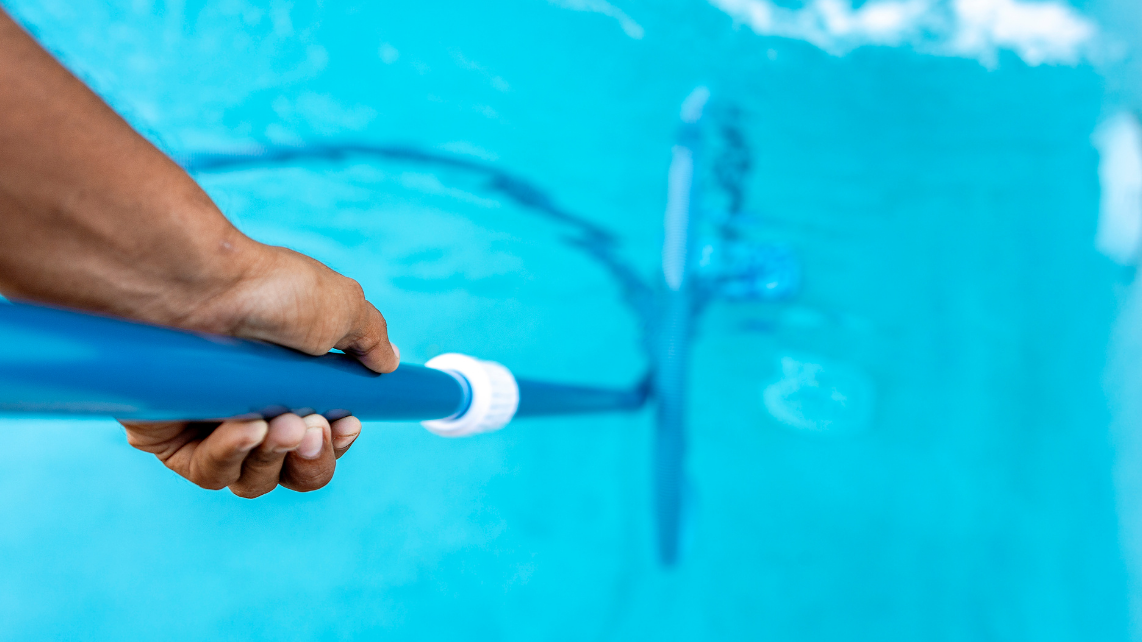
Here are some fibreglass-safe products to use:
- Mild liquid chlorine for sanitising water.
- Non-abrasive pool brush for walls and steps.
- Gel coat-safe stain remover for marks.
- pH balancer that will not etch the surface.
- Soft vacuum head for the floor.
- Pool cover to cut debris and evaporation.
You can buy and use these products yourself. They are easy to find at pool shops. A professional can advise if a stubborn stain or water problem needs something stronger.
Keep Service Records
Service records track what you do and when you do it. A simple notebook or app notes dates, water tests, cleaning jobs, and any fixes. You see if chemicals are working or if equipment needs attention. They help when you call a professional because they know what has happened before.
Good records save time and money. They stop guesswork and help you buy the right amount of supplies. They also protect your warranty if something goes wrong later.
You can keep records yourself. It is as easy as jotting notes after each check. A professional service often keeps its own log, which you can ask to see.
Final Thoughts
Regular maintenance and smart choices keep your fibreglass pool trouble-free and costs down. You now know the routines, repair triggers, and ways to save money in Mackay.
One final tip: Test your water weekly and skim daily. These habits stop most algae, stains, and equipment strain before they start.
If you ever need help with your fibreglass pool project, just reach out to us. We are licensed installers with years of experience installing and cleaning fibreglass pools in Mackay, and we're happy to chat or give you a quote.
And if you're still thinking about which fibreglass pool to choose, check out the fibreglass pool designs our partner offers. There's always something for every backyard and budget.