
A fibreglass pool can look fine one day, then suddenly start showing cloudy water, weak flow, strange noises, or flickering lights the next. Small equipment problems often show up quietly at first, but they can quickly affect how clean, safe, and usable your pool feels.
Leave those signs too long, and the trouble usually spreads. A blocked basket can strain the pump, a weak chlorinator can leave the water dull or green, and a hidden leak can waste water while pushing the rest of the system harder than it should.
This guide walks you through 8 essential fibreglass pool equipment types, the warning signs each one may show, what simple checks you can do first, and when it is time to call in professional help before a small fault turns into a bigger repair.
Highlights
- Core systems like the pump, filter, chlorinator, plumbing, and skimmer all work together, so one fault can quickly affect water clarity, flow, and day-to-day pool use.
- Lights, heaters, heat pumps, and mineral systems also need regular checks, especially when you notice flickering, heating problems, scaling, leaks, or error messages.
- Simple checks each week, like clearing baskets, watching water level, and noticing odd sounds, can help prevent expensive damage later.
1. Pool Pump
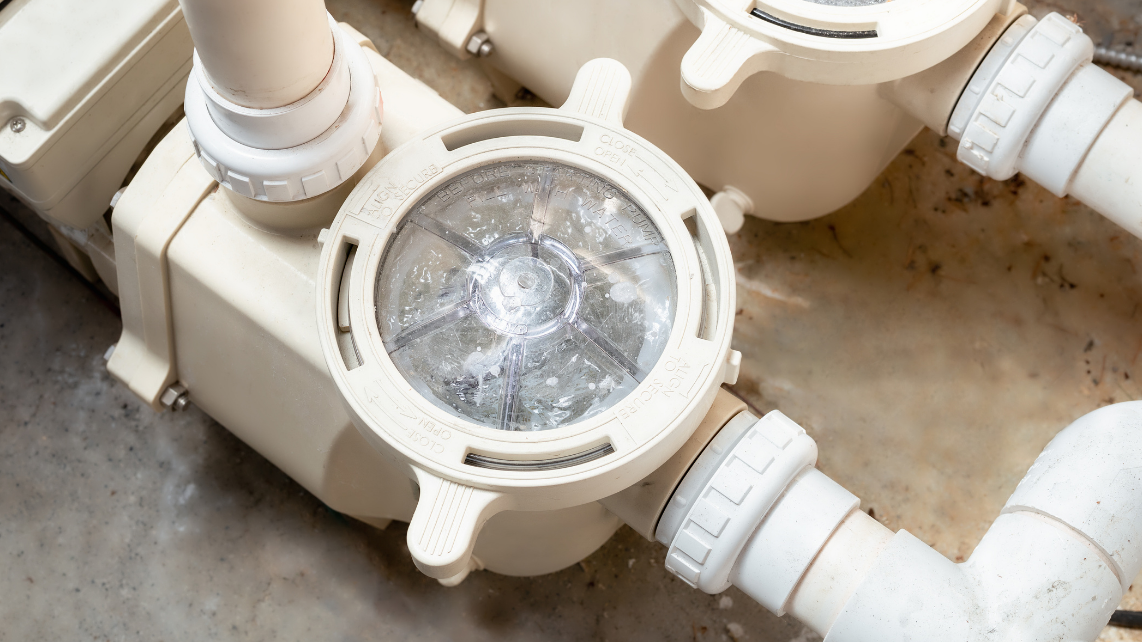
Your pool pump keeps water moving through the whole system. It pulls water from the pool, sends it through the filter, and helps spread sanitiser through the water.
When the pump starts acting up, the pool can go downhill fast. Water may turn cloudy, debris can build up, and your other equipment may have to work harder than it should, so early warning signs are worth checking as soon as they show up.
Here are some common pool pump problems and what they usually mean:
- Strange noises from the pump. Grinding, rattling, screeching, or loud humming often means something is wrong inside the pump or that water is not moving through it properly.
- Weak water flow. If the return jets feel weaker than usual or the pool starts looking dirty even though the pump is on, the pump may be losing suction or struggling to circulate water.
- Air bubbles in the pump or return jets. Bubbles can be a sign that air is getting into the suction side of the system through a loose lid, worn seal, or leak in the plumbing.
- Water leaking around the pump. Puddles or drips near the pump can point to worn seals, cracked housing, or loose fittings, and leaks should not be ignored because they can lead to bigger pump damage.
- The pump keeps losing prime. If the pump basket does not stay full of water or the pump struggles to pull water properly after starting, there may be a blockage or air leak somewhere in the line.
- The pump shuts off by itself. A pump that keeps stopping can be overheating or having electrical trouble, which needs attention quickly.
If you notice one of these signs, start with a few safe checks. Turn the pump off, empty the skimmer basket and pump basket, check that the water level sits around the skimmer opening, and make sure the pump lid is sealed properly before turning it back on, because blocked baskets, low water, and poor lid seals are common causes of flow and priming problems.
If the noise keeps going, the leak gets worse, the pump still loses prime, or it keeps shutting down, it is time to get professional help.
2. Chlorinator or Sanitising System
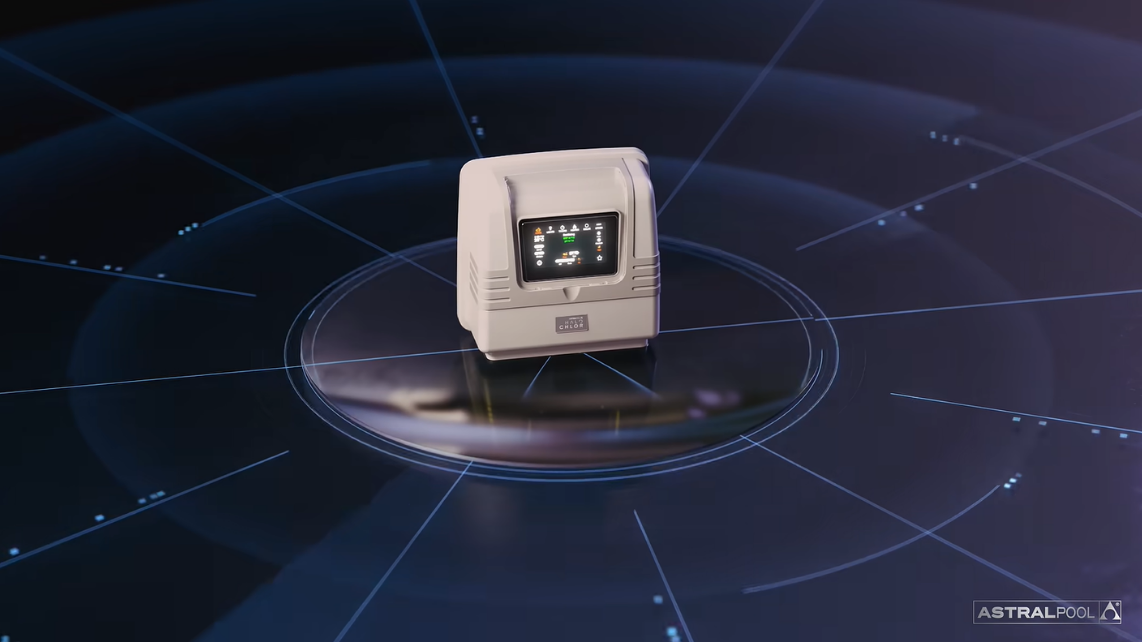 AstralPool Halo Chlor. Source: youtube.com
Your chlorinator or sanitising system helps keep pool water safe and clear. It works alongside the pump and filter, and when it stops doing its job properly, chlorine levels can drop fast and the water can turn cloudy, smell odd, or start growing algae.
This is one piece of equipment that many pool owners do not notice until the water already looks bad. Trouble often starts quietly, with warning lights, low chlorine, scale on the cell, or a system that says "no flow" even though the rest of the setup seems to be running.
Here are some of the main things to watch for with a chlorinator or sanitising system:
- Chlorine levels keep dropping. If your test results stay low even though the system is running, the chlorinator may not be producing enough chlorine for the pool.
- Cloudy water or algae starting to show. Poor sanitising can let contaminants build up, which is why water can lose clarity or turn green when the system is not keeping up.
- Scale build-up on the cell. White or chalky deposits on the cell plates can reduce chlorine production and make the system work poorly.
- No flow or low-flow messages. These usually mean the unit is not getting enough water through the cell, often because of blocked baskets, a dirty filter, closed valves, or circulation trouble elsewhere.
- The control panel is blank or has no power. A dead display can be a sign of a power issue, tripped breaker, or a fault in the unit itself.
- The pool needs constant manual chlorine top-ups. When you keep adding chlorine by hand just to hold the level, the system may be wearing out or not producing properly anymore.
A few simple checks can help before the problem gets worse. Test the water, make sure the pump is running properly, empty the skimmer and pump baskets, and inspect the cell for scale or debris.
Professional help is the smart move when the cell keeps showing errors, chlorine production stays low after cleaning, or the unit has power or wiring faults.
3. Pool Filter
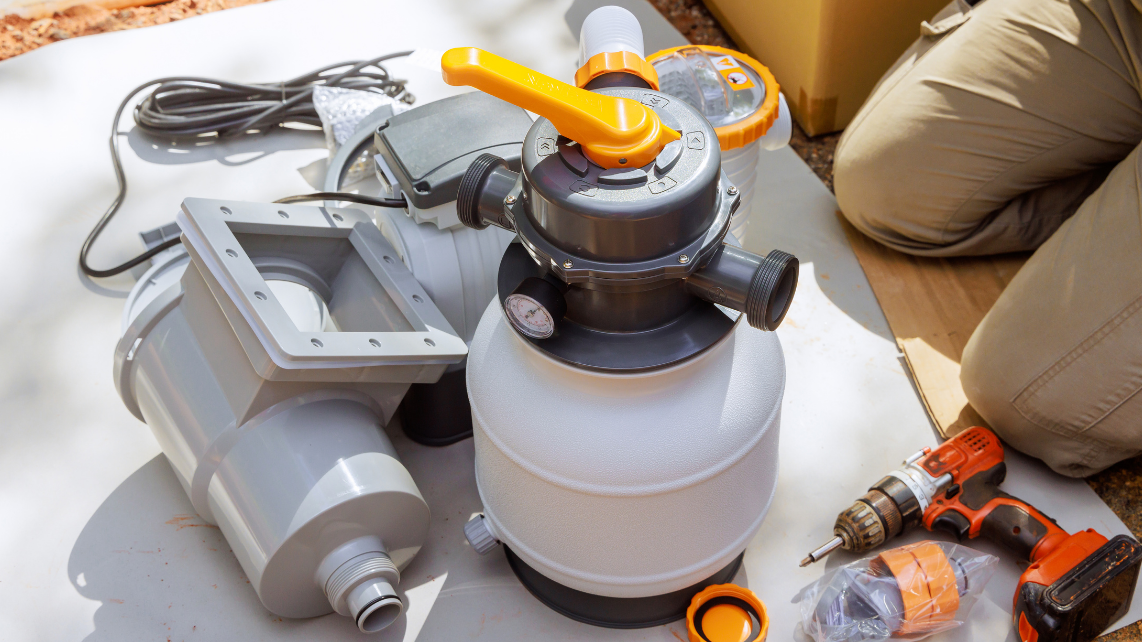
A clean pool filter helps trap the fine stuff your skimmer basket misses. Dust, dirt, dead bugs, and tiny bits of debris all pass through this part, so if the filter is blocked or worn out, the water often starts looking dull even when you are still running the pool every day.
A few warning signs can tell you the filter needs attention before things get worse:
- Cloudy water that does not clear. If the water still looks murky after balancing and regular cleaning, the filter may no longer be catching fine particles properly.
- Pressure is higher than normal. A pressure reading around 8 to 10 PSI above the usual clean starting point often means the filter is dirty and needs to be cleaned or backwashed.
- Water flow feels weak. Slower return jets can mean the filter is clogged and water cannot pass through as easily as it should.
- You are backwashing too often. If a sand filter seems to need backwashing all the time, the media may be worn, channelled, or overloaded with debris.
- Debris comes back into the pool. Dirt, grit, or cloudy bursts returning through the jets can point to damaged filter parts or media that is no longer working well.
- The cartridge still looks blocked after cleaning. If a cartridge filter stays stained, clogged, or damaged after a proper wash, it may be time to replace the cartridge.
A good first step is to check the pressure gauge against your normal clean reading, then clean or backwash the filter the right way for your filter type.
Professional help is the safer call when the filter keeps losing performance after cleaning, the housing is leaking, or the gauge and flow still do not add up. Internal filter damage, worn media, cracked cartridges, or broken parts inside the tank are much easier to sort out properly before they put extra strain on the pump.
4. Plumbing Lines and Fittings
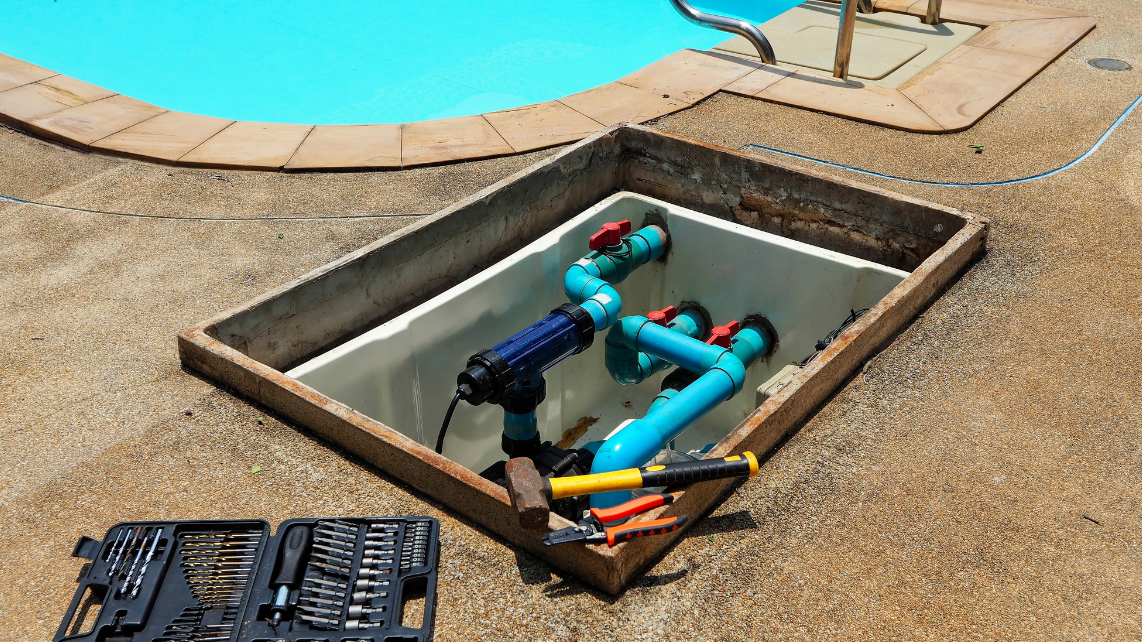
Plumbing lines and fittings move water between the pool and the equipment. They may be out of sight for most of the time, but they do a big job behind the scenes, carrying water from the skimmer and main suction points to the pump, then back again through the return jets.
Because many of these pipes are hidden underground or tucked around the equipment pad, problems can stay unnoticed for a while. A small leak or loose fitting may start with a few bubbles or a drop in pressure, then turn into water loss, poor flow, and extra stress on the pump and filter.
These are the ones worth keeping an eye on:
- Air bubbles keep coming from the return jets. This often points to air getting into the suction side of the plumbing through a loose fitting, worn seal, or cracked line.
- The pump keeps losing pressure. A pressure drop can mean there is a blockage, leak, or air leak somewhere in the plumbing system.
- Wet ground appears near the pool or equipment area. Damp soil, soggy patches, or water where it should not be can be a sign of a hidden plumbing leak.
- The return jets feel weak. Slower water coming back into the pool may mean there is a restriction, break, or leak somewhere in the line.
The best first-aid step here is to check the simple visible points before assuming there is a buried leak. Look at the pump lid, unions, valves, and exposed fittings for drips or loose connections, and make sure the pool water level is high enough so the skimmer is not pulling in air.
A pool professional should step in if the leak is hidden, the ground is staying wet, or the system keeps losing pressure after the obvious checks. Underground pipe breaks, cracked fittings, and leak detection work usually need proper testing and repair tools.
5. Skimmer Box and Baskets
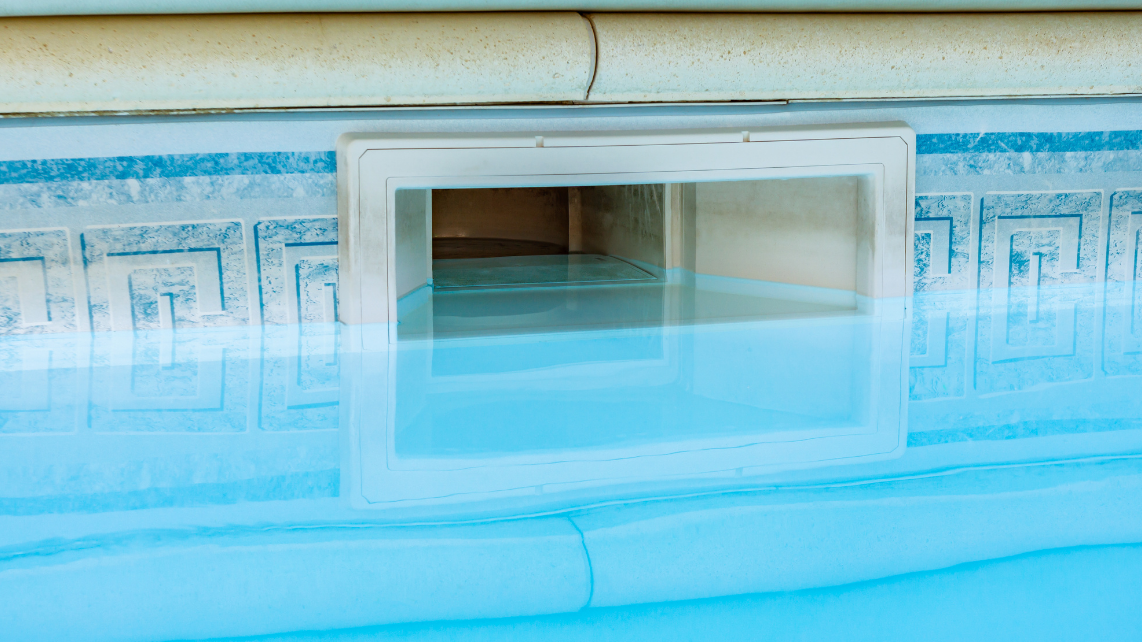
The skimmer box helps pull floating leaves, bugs, and surface dirt out of the pool before they sink. Inside it, the basket catches the bigger rubbish, while the weir door helps guide water and debris into the skimmer so the system can keep the surface cleaner.
Because this area sits right at the front end of your circulation system, even a small problem here can affect everything else.
These signs usually show up before bigger circulation problems follow:
- The skimmer basket fills too fast. A basket packed with leaves and debris can choke water flow and reduce suction to the pump.
- You hear air being sucked in. A low water level, cracked skimmer body, or lid problem can let air enter the system through the skimmer area.
- The pool water level keeps dropping near the skimmer. Water loss around this area can point to a crack or leak in the skimmer body, throat, or seal.
- Suction feels weak while vacuuming. If the skimmer struggles to pull water or a vacuum plate does not work properly, there may be a blockage, an air leak, or a damaged skimmer part.
While you are there, have a look at the basket, lid, and weir door for cracks, jams, or parts that look brittle, because these are often quick fixes if caught early.
A pool expert is the better option if the skimmer box itself looks cracked, the area around it stays wet, or suction problems keep coming back after cleaning and topping up the water. Structural skimmer leaks and hidden breaks can lead to bigger plumbing and circulation issues, so they are best sorted before more damage builds up.
6. Pool Lights and Electrical Connections
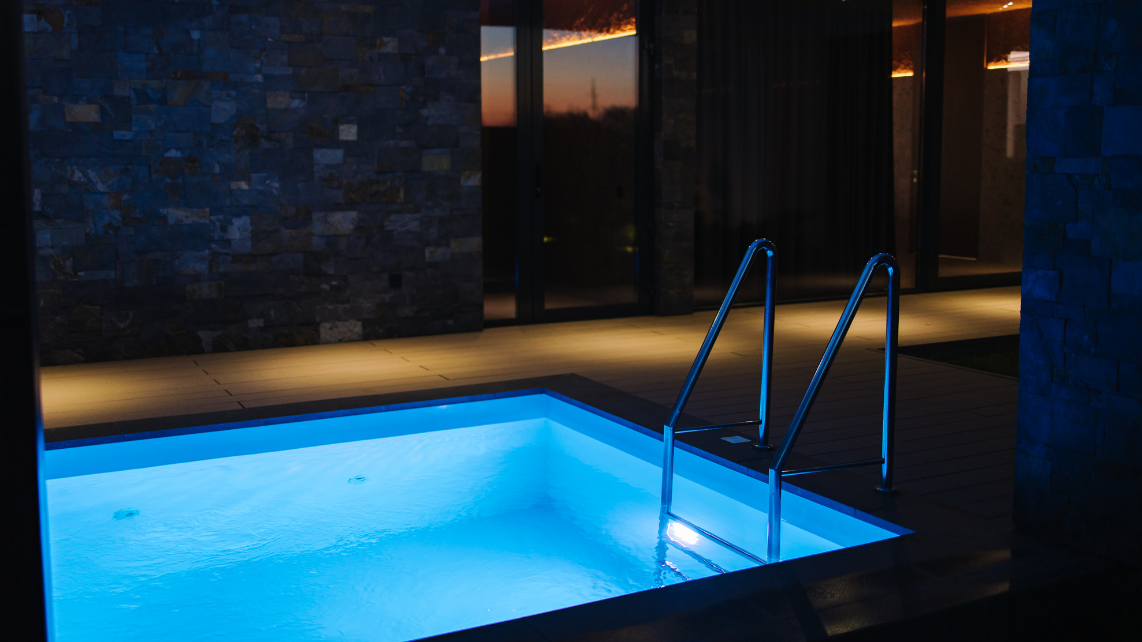
Pool lights do more than make the water look nice at night. They also help with visibility and safety, which is why electrical problems around lights should never be brushed off as a small annoyance.
This part of the pool system needs extra care because water and electricity are a risky mix. A flicker, a trip at the switchboard, or moisture inside a fitting can point to a fault that needs attention sooner rather than later.
Some signs are easy to spot right away. Others only show up now and then, which can make them tempting to ignore:
- The light flickers or dims. This can be a sign of loose wiring, corrosion, a failing transformer, or a bulb that is close to the end of its life.
- The light does not turn on at all. A dead bulb is one possible cause, but it can also point to a fault in the wiring, transformer, switch, or fitting.
- The breaker trips when the light is switched on. This often means there is a fault to ground, water inside the fitting, or another electrical problem that should be treated seriously.
- You can see water or condensation inside the light. Moisture in the fixture usually means the seal has failed, and that raises the risk of short circuits and further damage.
- Rust or corrosion shows up on connections. Moisture and pool chemicals can slowly damage metal parts, which can interrupt power and cause unsafe faults.
The very simple step to do first is to turn the light off at the switch and do not keep testing it over and over. From there, look for obvious clues like condensation in the lens, rust on visible fittings, or a breaker that has tripped, but avoid opening anything electrical yourself.
A licensed professional should handle the next step if there is flickering, breaker tripping, water inside the light, or any sign of heat, corrosion, or burning smell. Electrical faults around a pool are not worth guessing with.
7. Pool Heater or Heat Pump
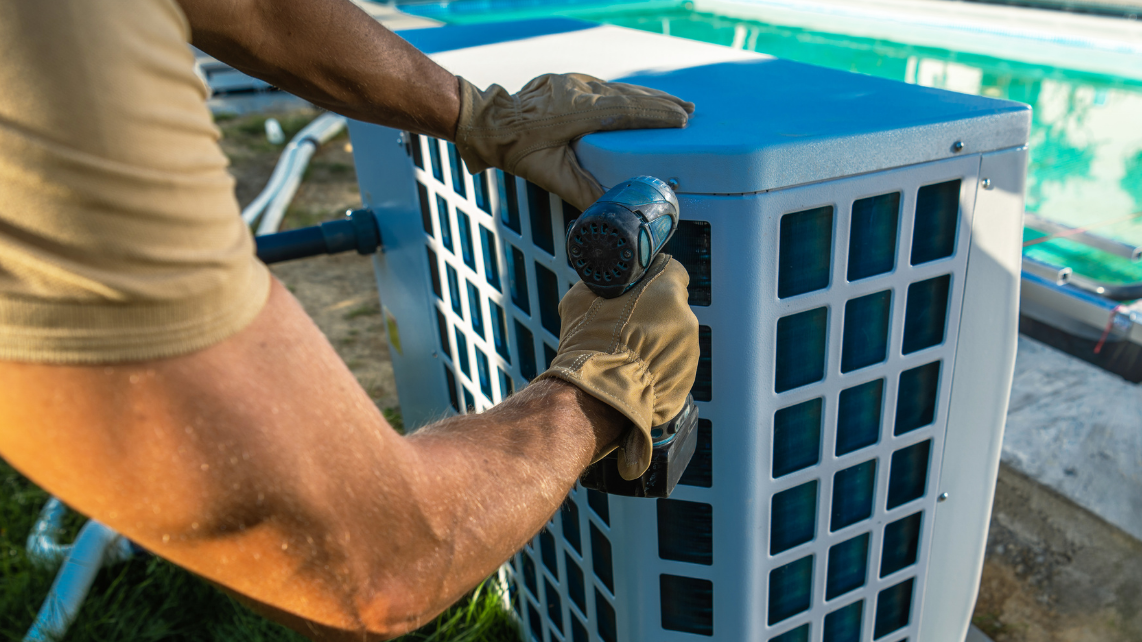
A pool heater or heat pump helps keep the water comfortable for longer swims. It is not needed for basic pool circulation, but once it stops working properly, many owners notice it straight away because the water stays cold, heating takes too long, or the unit keeps cutting out.
A few common signs can tell you the unit needs attention before it fully gives up:
- The water is not warming up. If the pool stays cold or takes much longer than usual to heat, the unit may have a thermostat, sensor, flow, or internal component problem.
- Strange noises come from the unit. Banging, clanging, rattling, or squealing can be signs of scale build-up, loose parts, or restricted water flow.
- The fan runs but the water does not heat. On a heat pump, this can point to refrigerant, sensor, or heat exchange problems rather than a simple power issue.
- Power use suddenly seems higher. A heater that works harder than normal can use more energy while still giving poor results, which often means it is running inefficiently.
It is worth checking the easier things first, such as whether the pump is running properly, the filter is clean, the valves are open, and the thermostat is set where you expect. For heat pumps, clear leaves and clutter around the unit too, because poor airflow can affect performance just as much as poor water flow.
A qualified technician should take over if there are repeated error codes, leaks, corrosion, loud noises, or electrical and gas-related concerns. Heaters and heat pumps have more specialised parts than most pool gear, so proper testing is the safest way to avoid bigger damage and get the unit working again.
8. Magnesium or Mineral System
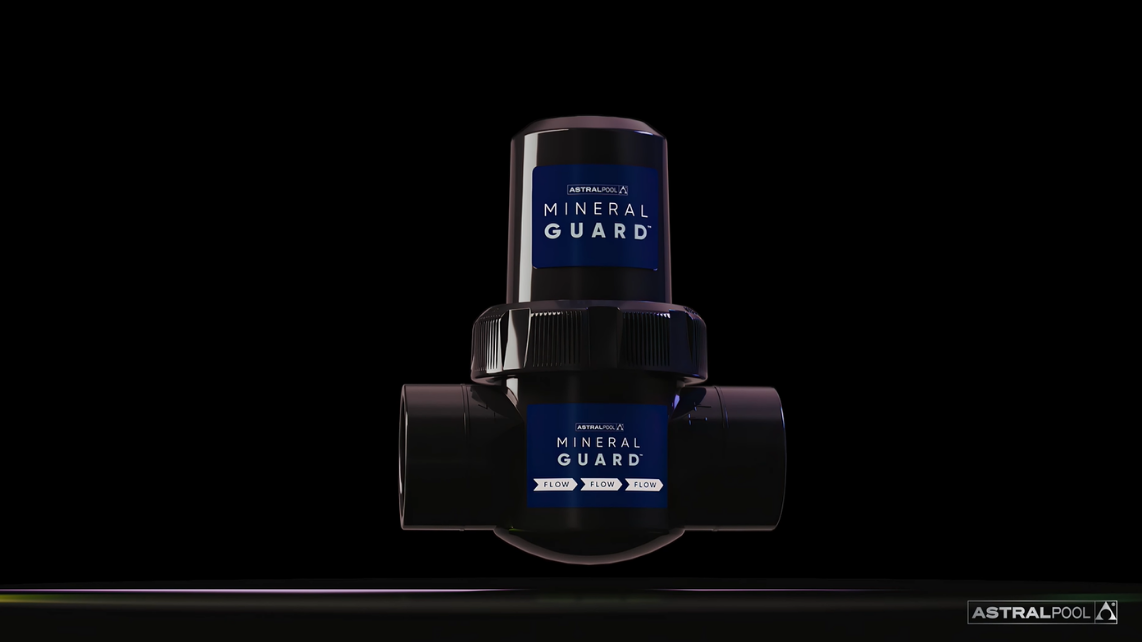 AstralPool Mineral Guard. Source: youtube.com
A magnesium or mineral system is designed to help make pool water feel softer and more pleasant to swim in. It still relies on balanced water, good circulation, and a working sanitising setup, so when this system is off, you often notice changes in water feel, clarity, or mineral build-up before anything else.
This type of system can be a little trickier to read because the warning signs sometimes look like general water problems at first. Cloudy water, scaling, staining, or repeated salt-cell style warnings can all point back to mineral levels, cell condition, or water balance problems rather than one single fault.
These are some of the signs that something is not right:
- The water turns cloudy for no clear reason. Excess minerals, poor balance, or weak filtration can leave the water dull or milky instead of clear.
- White scale starts forming on surfaces or equipment. Mineral build-up can collect on the cell, fittings, and other pool surfaces when levels drift too high or the water balance is off.
- Stains begin to appear. Mineral systems can contribute to staining when minerals or unwanted elements build up in the water and start settling on pool surfaces.
- The cell looks worn, cracked, or coated. Visible build-up, bent plates, corrosion, or damage on the cell can reduce output and mean cleaning or replacement is needed.
A practical first check is to test the water, inspect the cell for scale or wear, and review whether the filter and pump are running well enough to support the system.
Professional help makes sense once the cell looks damaged, warning lights do not clear, or the pool keeps going cloudy or green after the basics have been checked. Mineral systems can overlap with chlorinator and water balance issues, so getting the right diagnosis early can save time, chemicals, and extra wear on the rest of the equipment.
Final Thoughts
Your fibreglass pool equipment does not need to fully fail before it asks for help. Strange noises, cloudy water, weak flow, leaks, or warning lights are often early clues that something needs attention, and catching them early can help protect your water quality, comfort, and repair budget.
One of the best habits is doing a quick check of your pool equipment every week. Look for leaks, listen for odd sounds, watch the water flow, and clean baskets before small issues get the chance to turn into bigger and more expensive repairs.
If you ever need help with your fibreglass pool project, just reach out to us. We are licensed installers with years of experience installing and cleaning fibreglass pools in Mackay, and we're happy to chat or give you a quote.
And if you're still thinking about which fibreglass pool to choose, check out the fibreglass pool designs our partner offers. There's always something for every backyard and budget.