
You love your pool. But Mackay's hot days often end with cooler nights that leave the water too chilly to enjoy. That means you miss out on morning swims, family time, and more use of your backyard space.
It gets worse. Without heating, the pool sits unused for long stretches. You spent good money on it, but wind, rain, and changing seasons make the water uncomfortable to use. That can lead to frustration and a pool that feels like more trouble than it is worth.
Pool heating can help. It keeps the water warmer for longer, so you can swim when you want. This guide covers heater types, costs, pros, cons, and when heating makes sense for Mackay homes.
Highlights
- Pool heaters warm water for more comfortable swims in Mackay's cooler nights and windy days.
- Solar, electric heat pumps, and gas heaters each have unique costs, pros, and cons suited to different pool sizes and budgets.
- Pool heaters extend the swimming season, match well with fibreglass pools, and boost family enjoyment despite higher upfront expenses.
- Drawbacks include ongoing energy costs, maintenance needs, and slow heating times, so match the system to your actual usage.
- Heating is worth it for frequent swimmers or those wanting year-round comfort, but unnecessary if you only use the pool in peak summer.
- Pool covers, wind protection, and darker finishes offer low-cost ways to retain heat without a full heating system.
What Is a Pool Heater?
You probably already know what a pool heater is. But it still helps to give it a simple description before we get into the rest of the article. A pool heater is a system that warms your pool water so it stays at a more comfortable temperature when the weather cools down or the nights get chilly.
In simple terms, pool heaters work by moving or creating heat and then passing that heat into the pool water as it flows through the system. The warmed water goes back into the pool, which helps keep the overall water temperature steadier for longer.
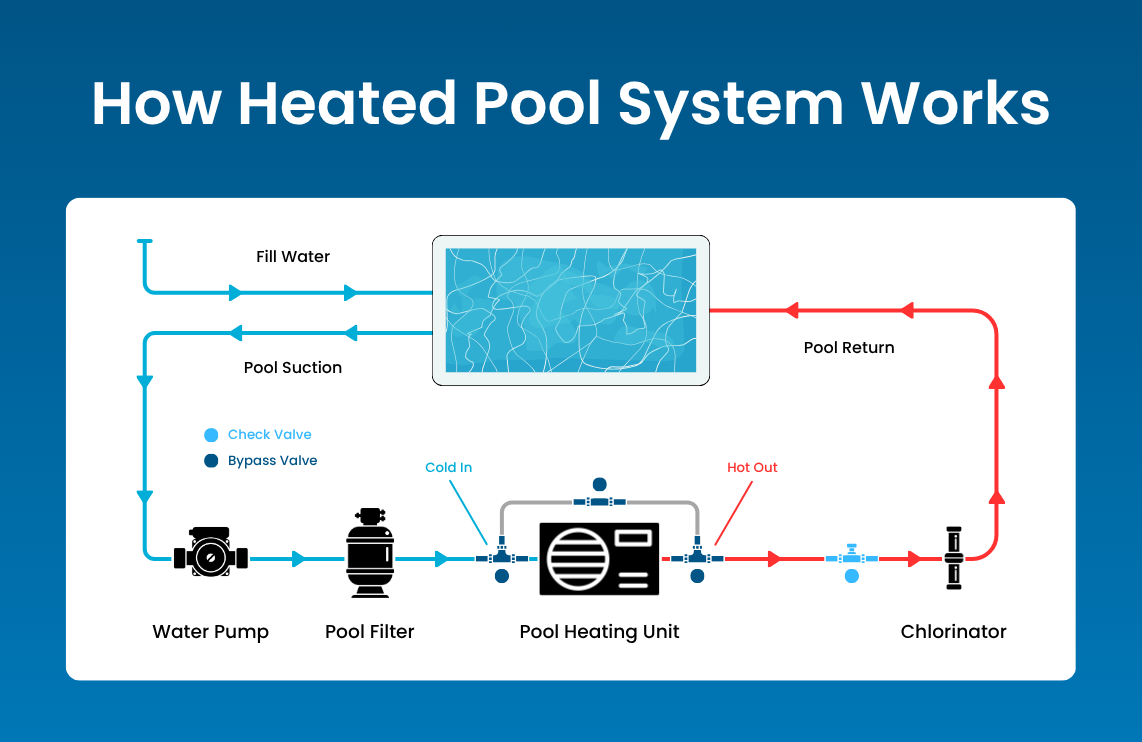
For many pool owners, the main reason to use a heater is not to make the pool hot. It is to make swimming more comfortable and to keep the pool usable for more months of the year, especially in places where warm days can still be followed by cool nights or breezy weather.
A heater also works best when the pool is not losing too much warmth. Things like wind, cool air, and evaporation can pull heat out of the water, which is why covers are often used to help hold the warmth in and cut down heating loss.
Types of Pool Heaters in Mackay
Not all pool heaters work the same way, and that matters in a place like Mackay, where you get plenty of warm weather but also cooler months. The right system depends on how often you swim, how warm you want the water, and how much you want to spend up front and over time.
Solar Pool Heaters
Solar pool heaters use the sun's warmth to heat pool water. In most setups, water moves through pipes or collector panels, warms up from the sun, and then goes back into the pool. That makes this option a natural fit for Australian conditions, especially in places that get strong sunshine for much of the year.
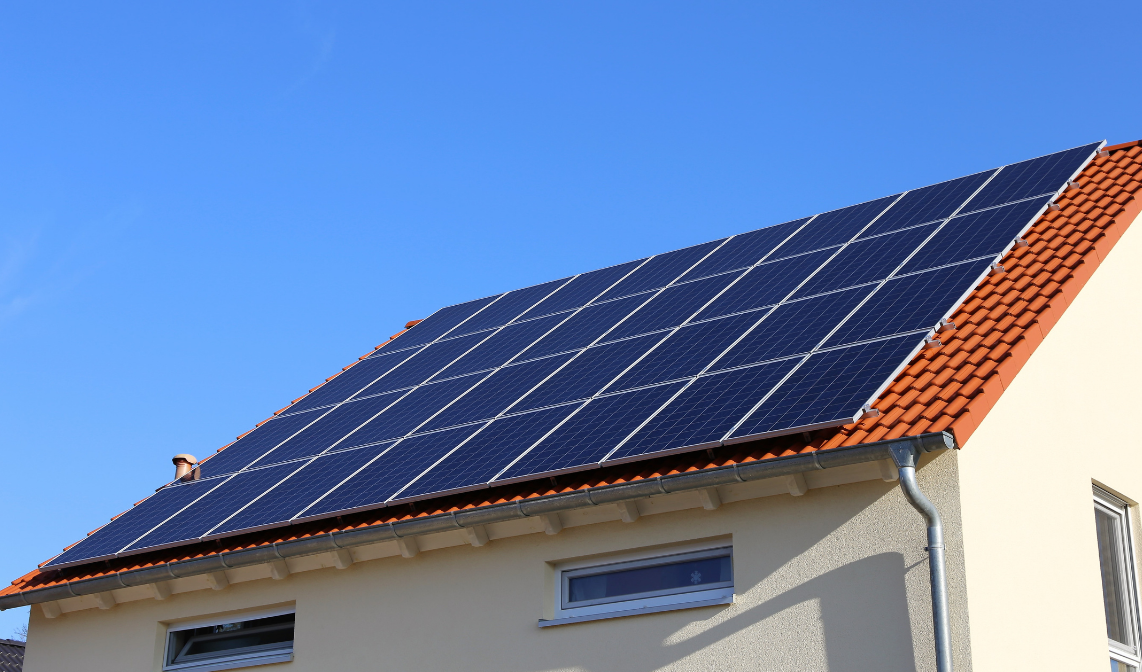
They are often chosen by pool owners who want lower running costs and who do not mind a gentler, slower heating style. That said, solar heating depends heavily on weather, roof space, and how much sun your property gets.
It usually works best when paired with a pool cover, because covers help reduce heat loss from evaporation and stop the warmth from escaping too quickly overnight.
Here are the possible costs when you choose this heating system:
- Upfront Cost: Around $3,000 to $9,000 for the system based on pool size, panel area, roof layout, and installation complexity in your area.
- Operational Cost: Often less than $1 a day to run, or roughly $90 to $200 a year, because the main energy use is usually the pump and controller rather than the heating itself.
- Extra Cost to Consider: A pool cover can add roughly $500 for a basic manual cover and up to about $5,000 for automatic options, and it can make a big difference to heat retention.
Pros of solar pool heaters:
- Low running costs.
- Uses free energy from the sun.
- Good for extending the swimming season.
- Works well in sunny Australian conditions.
- Lower carbon impact than gas or standard electric heating.
Cons of solar pool heaters:
- Heating depends on sunlight and weather.
- It can heat more slowly than other systems.
- Roof space is usually needed for collector panels.
- Performance can drop in long cloudy periods.
- A cover is often needed to get the best result.
Electric Heat Pumps
Electric heat pumps are one of the most popular ways to heat a pool in Australia. They work by pulling warmth from the air and moving that heat into the pool water, which makes them very different from systems that create heat directly from a flame or rely only on direct sunlight.
This type of heater is often a good fit for pool owners who want more control over water temperature. It can keep the pool at a steady, comfortable level through the swimming season, and in many cases, it can do that more efficiently than older-style electric heating methods.
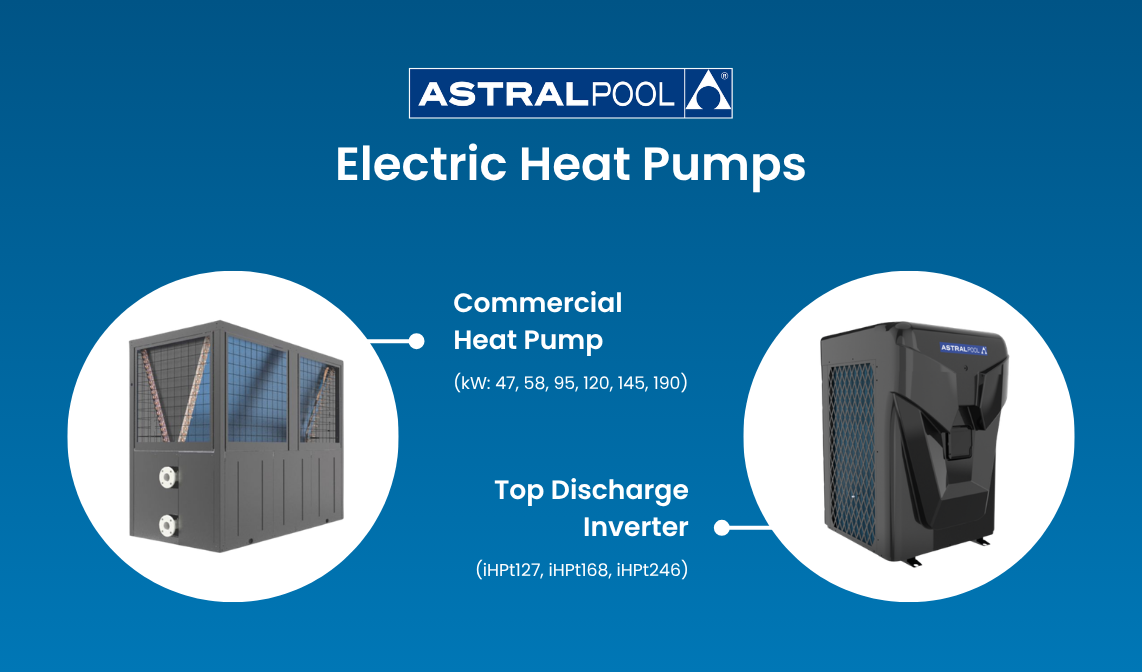 Examples of electric heat pumps: AstralPool Commercial Heat Pump (left) and AstralPool Top Discharge Inverter Heat Pump (right).
Heat pumps still depend on the surrounding air, so performance is better in mild and warm conditions than in very cold weather. That makes them a practical option for many Australian homes, especially when paired with a pool cover to cut heat loss and reduce how hard the unit has to work.
Here are the possible costs when you choose this heating system:
- Upfront Cost: Around $4,000 to $11,000 depending on the kW and brand of your choice.
- Operational Cost: Roughly $50 to $150 per month, or about $250 to $1,500 per year, depending on pool size, how often you heat the pool, and local power rates.
- Extra Cost to Consider: Installation can add around $500 to $2,500, especially if electrical upgrades, dedicated circuits, or plumbing changes are needed.
Pros of electric heat pumps:
- More energy-efficient than many other powered heating options.
- Good for keeping a steady pool temperature.
- Lower running costs than gas in many homes.
- Works well for regular pool use across the season.
- Can suit small, medium, and large pools if sized properly.
- Often seen as a good middle ground between solar and gas.
Cons of electric heat pumps:
- Higher upfront cost than some solar setups.
- Running costs depend on electricity prices.
- It may heat more slowly than gas.
- Performance drops as air temperature falls.
- Installation may need extra electrical work.
- A cover is still a smart add-on to reduce heat loss.
Gas Pool Heaters
Gas pool heaters warm the water by burning natural gas or LPG and passing that heat into the pool water as it moves through the system. If you want to heat the pool fast or warm up a spa without waiting too long, gas is usually the quickest option.
That fast heating is a big reason some pool owners still choose gas, even though it is not usually the cheapest system to run. Gas heaters can work well for people who swim now and then or want to get the pool up to temperature for weekends, parties, or short bursts of use.
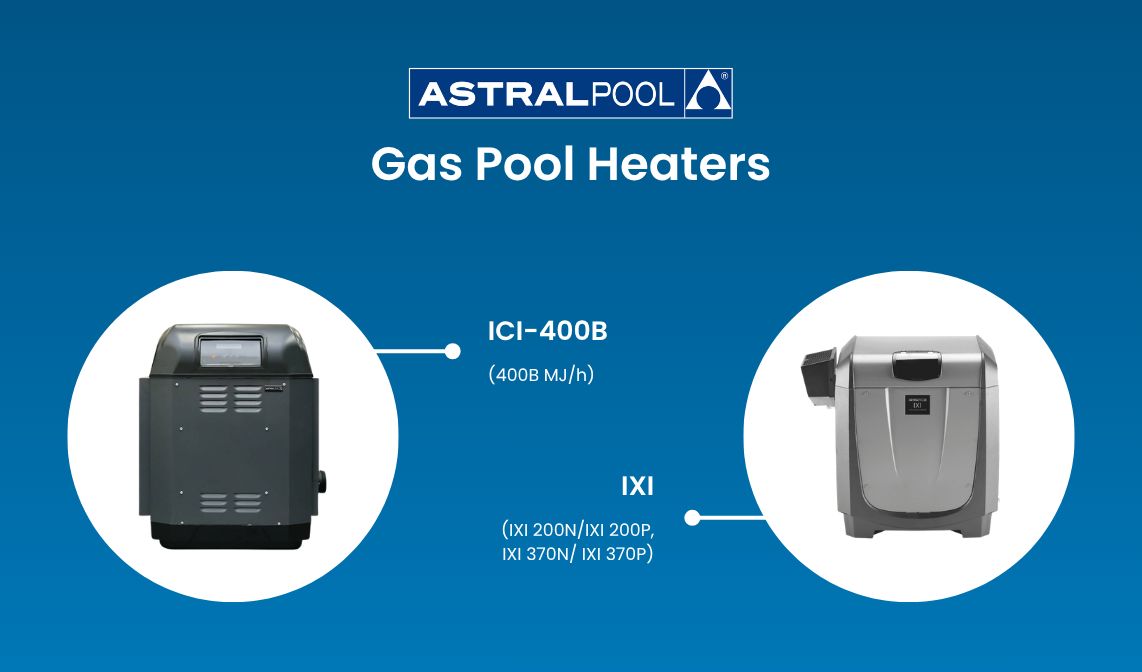 Examples of gas pool heaters: AstralPool ICI-400B (left) and AstralPool IXI (right).
They also perform better than many other systems when the weather is cooler, because they do not rely on strong sunshine or warm air to do their job. Still, that convenience comes with a trade-off, and that is higher running costs over time, especially if the heater is used often or without a cover to reduce heat loss.
Here are the possible costs when you choose this heating system:
- Upfront Cost: Gas pool heaters in Australia often cost about $2,000 to $8,000 for the unit alone, with installed costs commonly landing around $2,000 to $6,000, and some higher-end systems reaching $10,000 with more complex installation.
- Operational Cost: Running costs are usually the highest of the three main heater types, often around $200 to $500 per month or about $800 to $3,000 per year, depending on pool size, usage, fuel prices, and whether a cover is used.
- Extra Cost to Consider: Some homes may need a gas line extension, LPG bottles, regulators, or added installation work, which can push the total cost higher.
Pros of gas pool heaters:
- Heats pool water quickly.
- Good for spas and short-notice use.
- Works well even in cooler weather.
- Gives strong control over water temperature.
- Good for occasional use rather than constant heating.
Cons of gas pool heaters:
- Higher running costs than solar or heat pumps.
- Less cost-effective for daily use.
- May need gas access or LPG supply.
- Shorter lifespan than some other systems.
- A cover is still important to avoid wasting heat.
Pros of Pool Heaters in Mackay
Pool heaters can make a real difference in Mackay, even though the area already has a warm climate. The days can feel great for swimming, but cooler nights, wind, and seasonal changes can still make the pool water feel too cold for regular use.
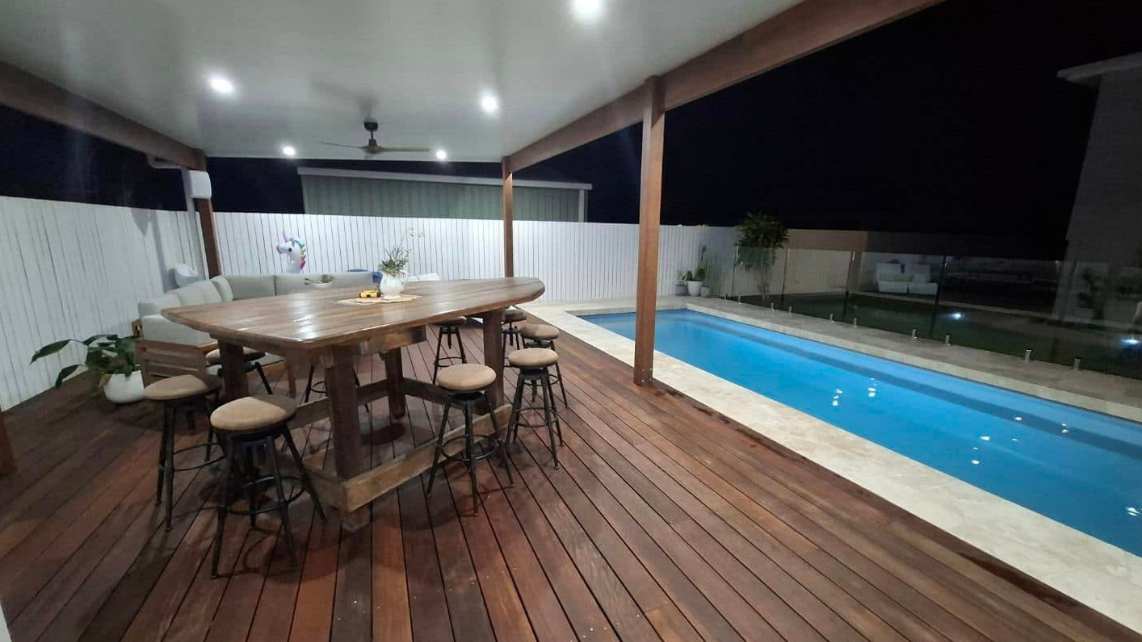
There are a few big reasons why pool owners choose heating. Some are about comfort. Others are about getting more use and better value from the pool they already have.
- Longer swimming season. Pool heating helps stretch the time you can enjoy the water, especially through Mackay's cooler months and on days when the air feels warm but the pool still feels too cold. In many Australian homes, heating can add months of extra swimming time, depending on the system and conditions.
- Warmer, more comfortable water. A heated pool simply feels better to get into. That matters for kids, older swimmers, and anyone who wants to enjoy the pool without the shock of chilly water first thing in the morning, after rain, or later in the day.
- Better pool use across the year. Without heating, many pools get used mainly in the hottest part of summer. Heating helps turn the pool into something you can enjoy more often, not just on the few days when the water happens to feel just right.
- Great match for fibreglass pools. Fibreglass pools hold warmth well, which means the water can stay comfortable for longer once heated. That can help the heating system work more efficiently and reduce how quickly the pool loses warmth overnight or during windy weather.
- More enjoyment for families and guests. A warmer pool is easier to use for weekend swims, family time, and casual get-togethers. People are more likely to jump in and stay in longer when the water feels comfortable rather than too cold.
- Better value from your pool investment. A backyard pool costs a lot to install, so most owners want to use it as much as possible. Heating can help you get more use out of that investment by making the pool practical for more months of the year instead of leaving it underused outside peak summer.
Cons of Pool Heaters in Mackay
Pool heaters can make a pool much more comfortable, but they are not perfect. No matter which system you choose, there is usually some trade-off with cost, maintenance, speed, or how well the heater works in certain weather.

There are a few common drawbacks that show up across most heating options. Some can be a deal-breaker, depending on your budget, pool use, and how much hands-on care you want.
- Higher upfront cost. Adding pool heating means paying for more equipment, more installation work, and sometimes extra plumbing or electrical upgrades. Even the cheaper heating options still add to the total cost of owning a pool, which can matter if your budget is already tight.
- Ongoing energy bills. Most heaters keep adding to your costs after installation, whether that is through electricity, gas, or longer pump run times. Running costs can stay manageable, but they still need to be part of the budget, especially if you want to heat the pool often.
- Extra equipment to maintain. A heated pool has more parts that need care, checks, and sometimes servicing. Depending on the system, this can include burners, heat exchangers, filters, valves, sensors, pipework, or solar panels, and regular maintenance helps keep everything safe and working properly.
- Some heaters warm slowly. Not every system gives fast results. Solar heating and heat pumps often take longer to lift the water temperature, so they are better for steady heating than last-minute swimming plans.
- Pool covers may still be needed. A heater does not stop heat loss on its own. Water can still lose a lot of warmth through evaporation, wind, and cool nights, so many pool owners end up buying a cover as well to make the heating more effective and reduce wasted energy.
- Performance depends on conditions. Some heaters work better than others depending on sunlight, air temperature, wind, and how exposed the pool is.
So, Are Pool Heaters Worth It in Mackay?
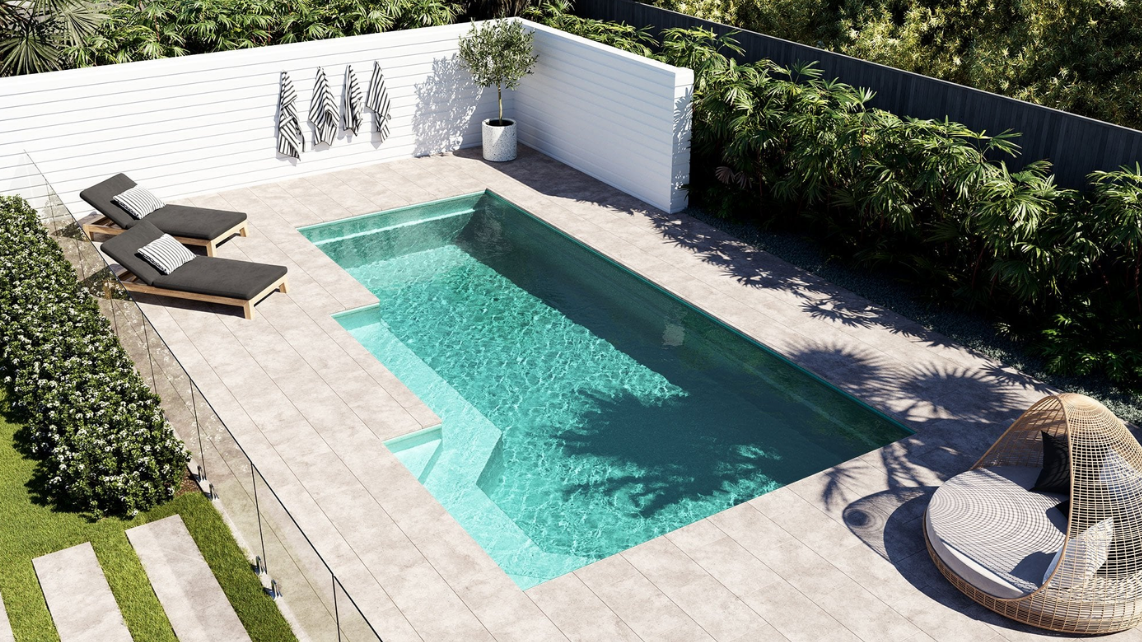
When a Pool Heater Is Worth It
A pool heater can be worth it in Mackay if you want to use your pool for more than just the hottest part of summer. In that case, heating is less about luxury and more about making the pool comfortable often enough to justify having it.
It can also be worth it if your pool is part of your lifestyle, not just a backyard feature. If you like morning swims, want the kids in the water more often, use the pool for exercise, or entertain friends and family, a heater can help you get more real use from the pool throughout the year.
Here are a few extra signs that a pool heater may be a smart fit for your home:
- You want a more predictable water temperature.
- You plan to swim in spring and autumn.
- You have a pool cover or are willing to get one.
- You use your pool for exercise or recovery.
- You want the pool ready for weekends and guests.
- You do not want the pool sitting unused for long stretches.
When You May Not Need One
A pool heater may not be worth it if you already feel happy with how often you use the pool during Mackay's warmer months. Some homeowners only want a pool for hot summer days, and if that sounds like you, heating may be an extra cost without much real return.
It may also be unnecessary if your budget is tight or if you do not want higher running costs, servicing, or extra gear around the pool area. A heater can improve comfort, but it does not always make sense if you only swim now and then, do not mind cooler water, or would rather keep things simple.
Here are a few signs you may be fine without a pool heater:
- You mostly swim in peak summer.
- You do not mind cooler water.
- You use the pool only occasionally.
- You want the lowest possible pool running costs.
- You prefer fewer pieces of equipment and less maintenance.
- Your pool already gets good sun and holds warmth well.
Other Ways to Heat a Pool
If you do not want a full heating system right away, there are still other ways to help your pool stay warmer. These options usually do not heat the water as strongly as a proper heater, but they can help hold warmth in, reduce heat loss, and make the pool more comfortable in Mackay's changing conditions.
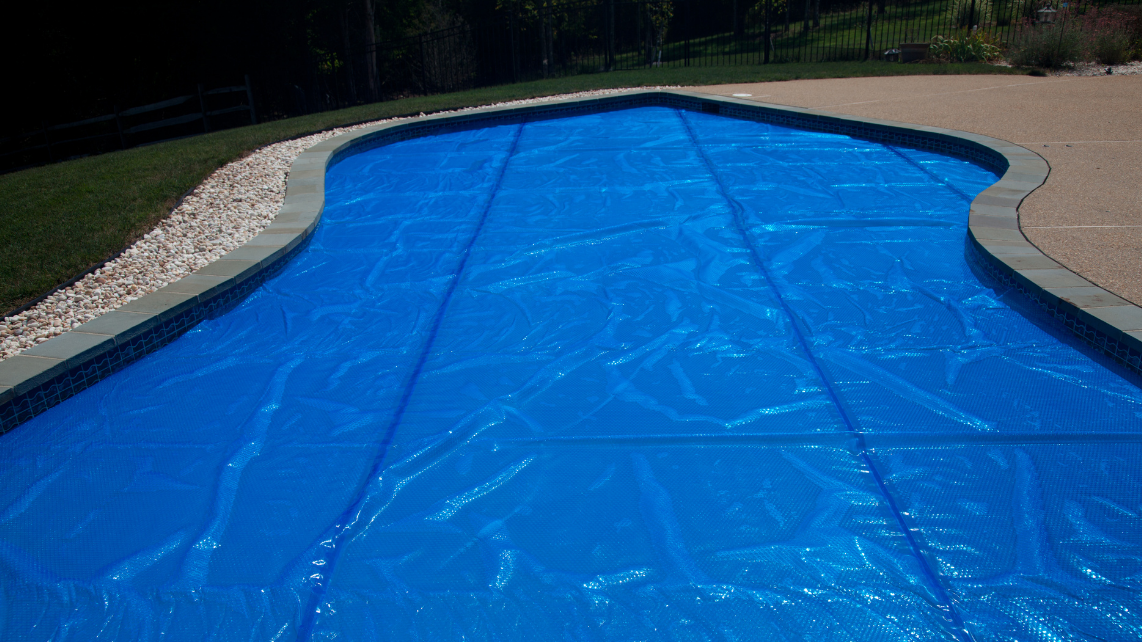
- Pool covers. A pool cover helps trap warmth, reduce evaporation, and lower heat loss overnight. This is one of the most effective ways to keep pool water warmer and cut heating costs at the same time.
- Liquid solar covers. A liquid solar cover sits on the water surface and helps slow down evaporation. It is not as strong as a physical cover, but it can still help the pool hold heat for longer.
- Better wind protection. Wind can cool pool water quickly by increasing evaporation. Fences, screens, hedges, or other windbreaks can help reduce that heat loss and make any heating method work better.
- Smart pool placement. A pool that gets more direct sun through the day has a better chance of warming naturally. Good placement can also reduce shade and improve how well the pool holds warmth.
- Darker pool finishes. Darker interior colours can absorb more of the sun's heat than lighter finishes.
Final Thoughts
Pool heaters can help you get more from your pool in Mackay. They add comfort and more swimming time. But the best choice depends on your budget, how often you swim, and what you want from the pool. Take your time to match it to your home and family.
Here is one final tip: start with a pool cover, no matter what else you do. Covers cut heat loss and evaporation. They make any heating work better and save money on running costs.
If you ever need help with your fibreglass pool project, just reach out to us. We are licensed installers with years of experience installing fibreglass pools in Mackay, and we're happy to chat or give you a quote.
And if you're still thinking about which fibreglass pool to choose, check out the fibreglass pool designs our partner offers. There's always something for every backyard and budget.