
Thinking about the best pool sanitation system sounds simple at first, but choosing between chlorine, saltwater, and magnesium can quickly get confusing when each one promises clean water, easier care, and a better swim.
That is where Mackay homeowners get stuck. Pick the wrong system, and you could end up with water that feels too harsh, upkeep that takes longer than expected, or costs that don't match your budget and how often your family actually swims.
Now, to be upfront, we do offer magnesium systems, and our pools are set up for 100% magnesium. Even so, this guide is here to give you a clear, fair look at all three options so you can choose what best suits your home, budget, and swimming comfort.
Highlights
- Chlorine systems cost less upfront, but they usually need more hands-on testing, dosing, and regular upkeep.
- Saltwater systems still use chlorine, but they make it more steady, giving many Mackay families a softer feel and easier day-to-day pool care.
- Magnesium systems stand out for comfort, with softer, silkier water that feels gentler on skin, eyes, and hair.
- In Mackay's hot, humid, and rainy climate, all pool systems need care, but some handle regular use and changing weather more smoothly.
- The best choice depends on your budget, your comfort goals, and how much pool maintenance you want to handle yourself.
Understanding Their Basic Difference
Chlorine System
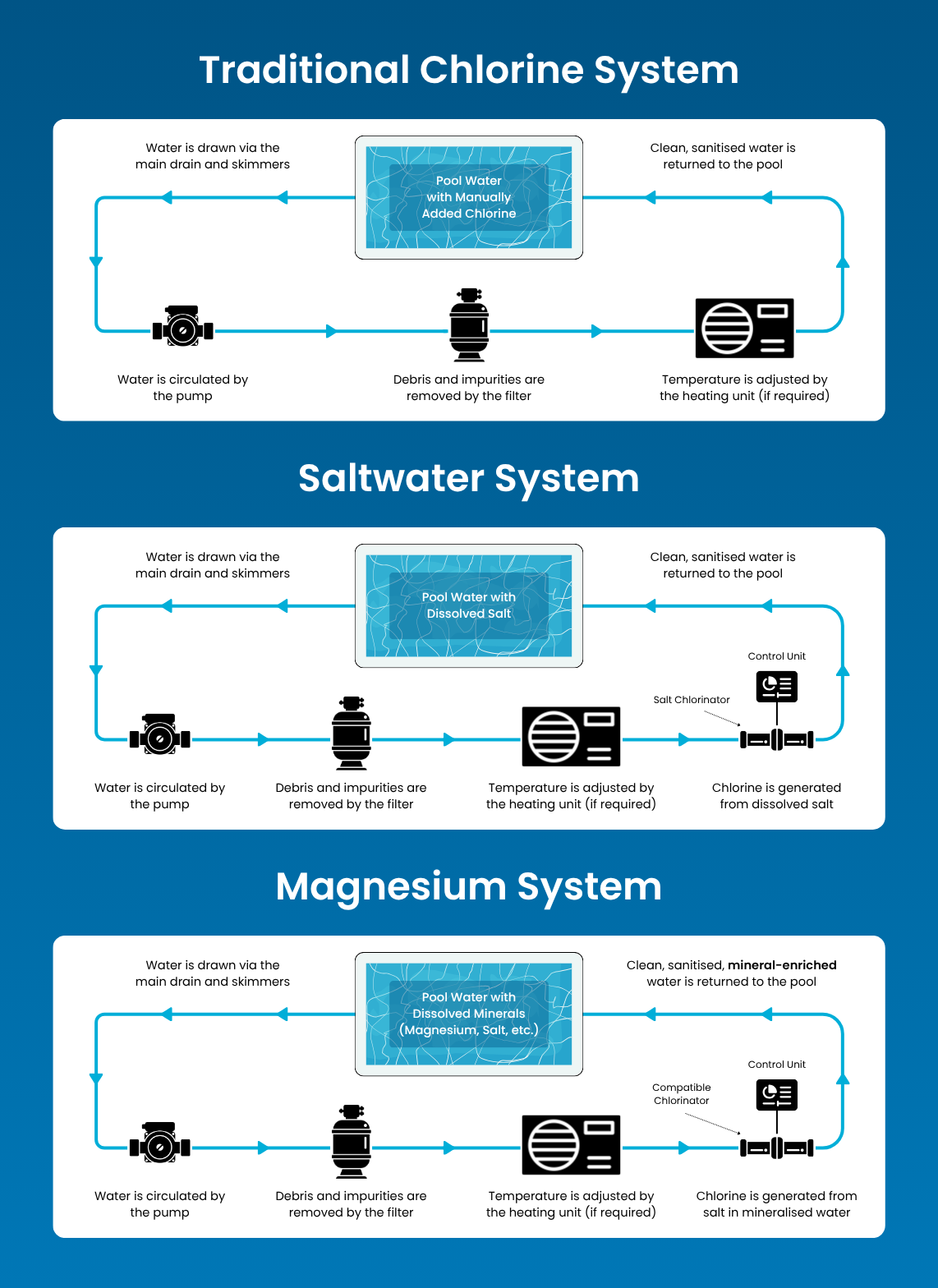
A chlorine system is the most basic way to sanitise a pool. You add chlorine to the water by hand, usually as liquid, tablets, or granules, and that chlorine kills germs, helps control algae, and keeps the water safe to swim in. It is a direct system, which means the sanitiser goes straight into the pool rather than being made by a machine inside the pool setup.
For outdoor pools, chlorine usually needs support from a stabiliser as well, because strong sunlight can burn it off faster and leave the water less protected.
A chlorine pool is still all about balance. If the chlorine level drops too low, germs and algae can grow. If it gets too high, the water can feel harsh and less pleasant to swim in. So while the system itself is straightforward, it still needs regular testing and steady care to work well.
Saltwater System
A saltwater system also sanitises the pool with chlorine, but it keeps it inside the system so you don't have to add it by hand all the time. The pool water contains dissolved salt, and as that water passes through a salt cell, the chlorinator uses electrolysis to turn part of that salt into chlorine.
It still uses chlorine to keep the water clean and safe, but the way the chlorine gets there is different. For many homeowners, this makes saltwater feel easier to manage because the chlorinator can produce chlorine steadily as the pump runs.
Saltwater systems are often chosen by people who want a more automated setup. The water usually feels softer than a manually dosed chlorine pool, but the system still needs checking, especially for salt levels, cell condition, pH, and overall water balance.
Magnesium System
A magnesium system is usually grouped under mineral pool systems. It uses magnesium-based minerals, and in many setups, those minerals work alongside a low level of salt and chlorine generation to help keep the water clean and comfortable. That means magnesium pools are not usually chlorine-free either. In most cases, they still rely on chlorine at some level for proper sanitising.
What makes them different is the water feel and the mineral blend. Many people choose magnesium systems because the water tends to feel softer and silkier, and they are often marketed as gentler on skin, eyes, and hair than standard chlorine setups.
It also helps to understand that "magnesium pool" can mean different things depending on the brand and system used. Some systems use dedicated mineral setups with magnesium and potassium, while others use a mineral blend with a chlorinator-based system.
Setup in Pools
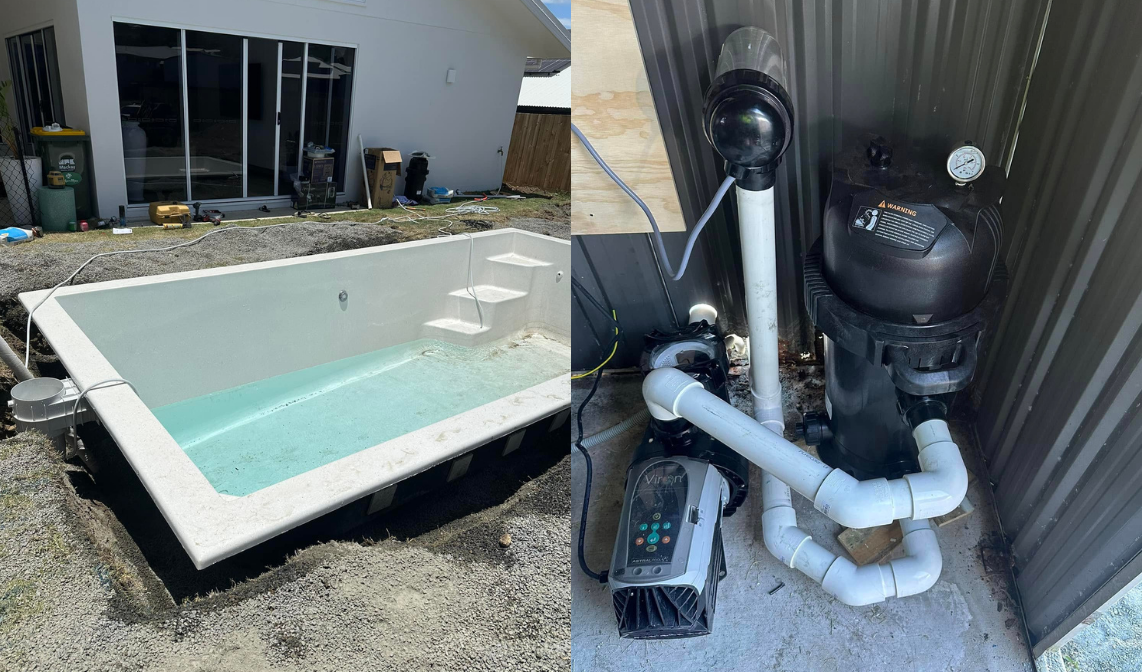 Installed fibreglass pool by Pool Professionals Mackay beside equipment area with pump, filter, chlorinator, and pipework in backyard.
Chlorine System
A chlorine system is usually the simplest setup in the pool. It normally includes the pool water itself, a pump, a filter, and a way to add chlorine, such as liquid, tablets, or granules. Some pools also use an inline chlorinator or tablet feeder, which sits in the plumbing line and slowly releases chlorine as water moves through the system.
There is no salt cell producing chlorine in the background, and no mineral blend is used as part of the main water treatment setup. That is what separates it from the other two systems.
Saltwater System
A saltwater system includes the normal pool equipment, but it also adds a salt chlorinator and salt in the water. The main parts are the pump, filter, control unit, and an electrolytic cell fitted into the plumbing, usually near the equipment pad.
Once salt is dissolved in the pool, the chlorinator cell uses it to produce chlorine for sanitation. That means you cannot call a pool "saltwater" just because it has slightly salty water. It needs the proper salt chlorinator system in place, including the cell and controller that work with the filtration setup.
Many saltwater setups also include timers and control functions built into the chlorinator. Some units help manage pump run times, and some cells are self-cleaning to reduce calcium build-up on the plates.
Magnesium System
A magnesium system also starts with the usual pool equipment like the pump, filter, plumbing, and return lines. On top of that, it uses a mineral-based setup with magnesium minerals, and in many cases, it also includes a compatible chlorinator or mineral water treatment unit. Some systems use a blend of magnesium and potassium minerals as part of the full setup.
To properly call it a magnesium system, it needs the mineral product itself and the matching equipment designed to run with it. Depending on the brand, that may include a Hydroxinator, a mineral cell, or another sanitising unit made to work with magnesium minerals and the rest of the filtration system.
In many cases, magnesium systems still work alongside low-level chlorine production, even though the water feels different from a standard chlorine pool.
Health Benefits and Water Feel

Chlorine System
Chlorine systems do a good job of keeping pool water safe, but they are usually the harshest option when it comes to water feel.
If chlorine levels are too high, or if the water is out of balance, swimmers can end up with dry skin, itchy patches, red eyes, and that strong "pool smell" many people know. That sharp smell is often linked to chloramines, which form when chlorine reacts with sweat and other stuff in the water, not always because the pool has too much chlorine.
When a chlorine pool is looked after properly, it can still feel fine to swim in. But compared with saltwater and magnesium systems, it usually gives a more noticeable chemical feel on the skin and hair. So if comfort is high on your list, chlorine often works best for people who want simple sanitation first and are happy to trade a bit of softness in the water.
Saltwater System
Saltwater systems are often chosen because the water feels gentler. Even though they still use chlorine, the chlorine is usually produced in a steadier and lower way, which can make the water feel softer on the skin and easier on the eyes than a standard chlorine setup.
Saltwater pools are often described as less drying, with less eye sting and less of that heavy chemical smell that people sometimes notice in manually chlorinated pools.
That said, saltwater does not mean no irritation at all. If the water chemistry is off, a saltwater pool can still cause eye or skin problems because chlorine is still part of the sanitation system. But in day-to-day use, many people find the water feel smoother and more pleasant than a standard chlorine pool.
Magnesium System
Magnesium systems are usually seen as the softest and most comfortable of the three. The water is often described as silky, smooth, and gentler on the skin, eyes, and hair, which is why these systems are popular with people who want a more premium swimming feel.
Another big reason people look at magnesium is the wellness side. Magnesium pools are often linked with better skin comfort, less dryness, and a more relaxing swim, especially for people who deal with sensitive skin or simply want the water to feel nicer day after day.
It is still important to stay realistic here. A magnesium system is not a magic fix, and it still needs proper water balance to feel and perform the way people expect.
Maintenance and Upkeep
Chlorine System
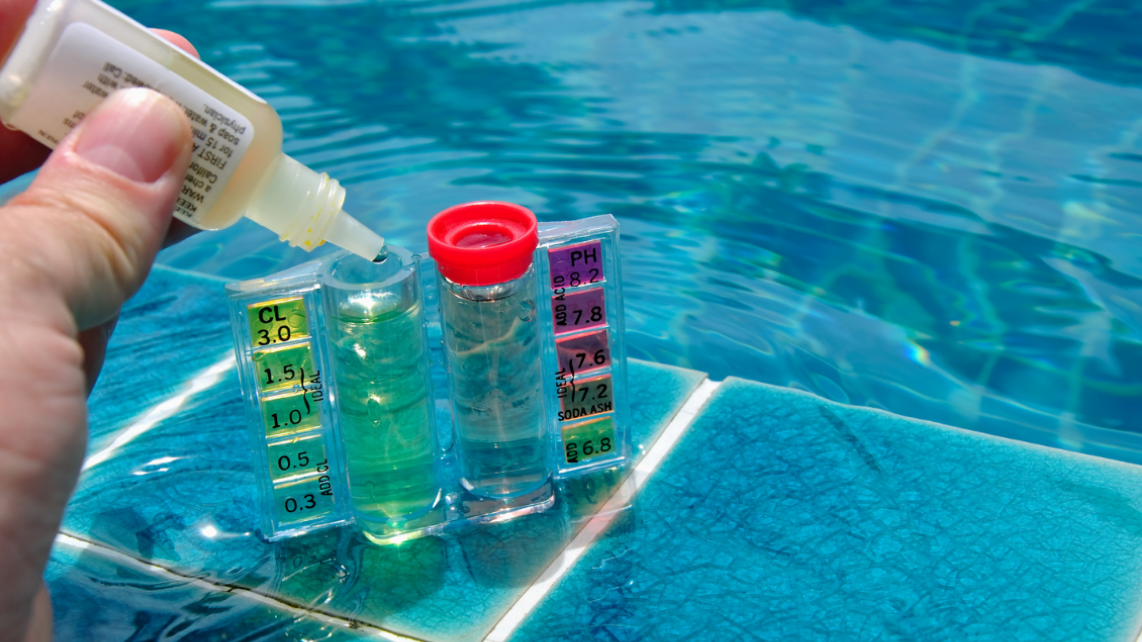
Chlorine systems are usually the most hands-on to look after. You need to test the water often, watch the chlorine level, and add the right amount yourself to keep the pool clear and safe.
There is also the extra job of shocking the pool when the water turns cloudy, starts to smell odd, or begins to show signs of algae. So while the setup is simple, the upkeep can be more active because you are doing more of the chemical control yourself. For some pool owners, that is fine. For others, it becomes one more thing to stay on top of every week.
Saltwater System
Saltwater systems are often easier to manage day to day because the chlorinator makes chlorine for you as the system runs. That can reduce the need for constant manual dosing and help keep sanitation steadier across the week.
That said, saltwater pools are not maintenance-free. The chlorinator cell needs checking for scale build-up, the salt level needs to stay in the right range, and pH still needs regular attention because salt systems can push pH upward over time. If the cell gets dirty or the salt level falls too low, chlorine production can drop and water quality can slip fast.
So the upkeep is a bit different, rather than completely easier. For many homeowners, that is a good trade because the system does more of the daily sanitation work in the background.
Magnesium System
Magnesium systems are often promoted as lower-maintenance, especially because many of them run with lower chlorine levels and can help keep the water feeling cleaner and softer for longer. In many setups, the minerals can help with water clarity and may reduce the harsh feel that pool owners often notice with standard chlorine systems.
Still, they are not a set-and-forget option. You need to monitor the mineral level, keep the sanitising unit working properly, and test the water just like you would with any other pool. If the mineral blend gets out of balance or if the system is not compatible with the equipment, performance can suffer.
The main difference is that magnesium upkeep often focuses on both water balance and mineral balance, not just chlorine alone.
Costs
Chlorine System
Chlorine systems are usually the cheapest to start with. You do not need a salt chlorinator or a mineral setup, so the equipment side is simpler and the upfront spend is often lower.
But the lower starting cost can be a bit misleading over time. Because you are buying chlorine products regularly and dosing the pool by hand, the chemical spend can add up throughout the year.
If the goal is to spend less at the very beginning, it is a strong option. If the goal is to keep ongoing chemical costs down, it may not be the most economical system in the long run.
Saltwater System
Saltwater systems usually cost more at the start because you need extra equipment. A proper setup includes a salt chlorinator, and current retail pricing in Australia sits roughly from $300 to over $1,000 before installation, depending on brand and features.
Even so, saltwater systems can become more cost-effective over time. Instead of buying as much packaged chlorine, you mainly pay for the initial salt, occasional salt top-ups, testing products, and the cost of running and maintaining the chlorinator.
That makes saltwater a common middle-ground choice. It costs more to set up than chlorine, but many pool owners feel the lower day-to-day chemical spend and easier operation balance things out over the years.
Magnesium System
Magnesium systems are usually the premium option of the three. They do cost more upfront because they include the usual pool equipment plus a mineral-based setup and the magnesium minerals needed to keep the water performing at its best.
Ongoing costs can vary depending on the brand, pool size, rainfall, backwashing, and how often the minerals need topping up. For example, a 30,000-litre pool may need around 2 to 4 bags of minerals a year, which helps maintain that soft, silky water feel many homeowners love.
While the upfront spend is higher, many homeowners see magnesium as a worthwhile investment because of the gentler water feel, better swimming comfort, and more premium pool experience.
Mackay Climate Match

Chlorine System
Mackay's climate can be hard on any pool system. Hot days, high humidity, and summer rain all make it easier for algae to grow and harder to keep water chemistry steady. In a chlorine pool, this often means more testing, more manual dosing, and more close attention during the wetter and stickier parts of the year.
Heavy rain can dilute chlorine and throw the water balance off quickly. Then the heat and humidity can push algae growth faster, especially if the pool is already a bit low on sanitiser. That is why chlorine systems can work in Mackay, but they usually need the most hands-on effort when the weather turns wild.
So chlorine is still a workable option for Mackay homes, but it suits owners who do not mind staying more active with water care.
Saltwater System
Saltwater systems are often a better fit for Mackay's warm climate because they produce chlorine steadily rather than relying fully on manual dosing. That can help the pool recover more smoothly from regular use and reduce the big ups and downs that often happen in hot, humid weather.
They still need attention after storms and heavy rain, because water balance can still shift and salt levels may need checking.
For Mackay homes, saltwater often lands in the sweet spot. It gives a gentler swimming feel than standard chlorine and usually asks for less hands-on chemical dosing, while still being more affordable than magnesium in many cases.
Magnesium System
Magnesium systems also suit Mackay well, especially for homeowners who want comfort as much as clean water. In a hot and humid place, where people may swim often and stay in the pool longer, the softer water feel can make a big difference for skin, eyes, and overall swimming comfort. That matters even more during long tropical summers.
Another reason magnesium can match Mackay is that these systems are often promoted as helping with water balance and reducing the harsh feel linked with standard chlorine setups.
The main catch is cost. Magnesium usually asks for a bigger budget upfront and ongoing mineral top-ups, so it is often best for homeowners who want a more premium swimming experience and are happy to pay more for it. For Mackay families who value water comfort and frequent pool use, though, magnesium can be a very strong climate match.
Which Pool Sanitation System Is Best for You?
When to Choose a Chlorine System
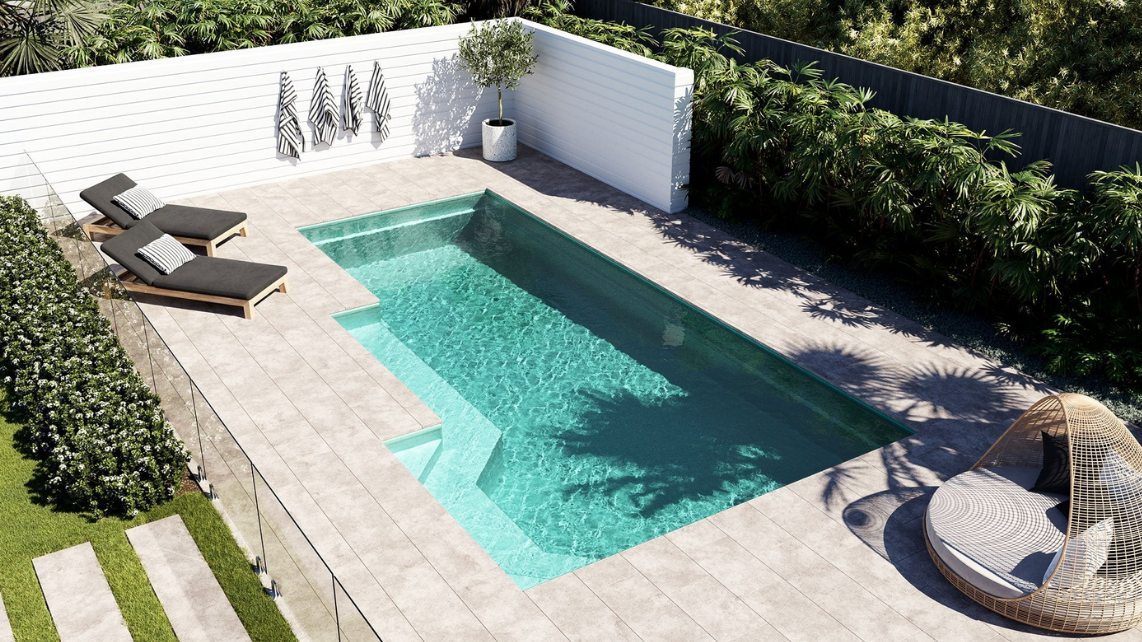
A chlorine system is best if you want the simplest setup and the lowest upfront cost. It suits homeowners who are happy to handle pool care themselves and do not mind testing the water often and adding chemicals by hand.
This option can make sense if your main goal is to keep the starting budget down. It is also a practical fit if you want a straightforward system with fewer special parts and no extra chlorinator or mineral setup to buy at the start. Just be prepared for more hands-on upkeep.
A recap of chlorine system advantages:
- Lower upfront cost.
- Simple and familiar setup.
- Easy to understand and easy to source products for.
- Fewer specialised system parts to replace.
A recap of chlorine system disadvantages:
- Needs more manual testing and dosing.
- Water can feel harsher on skin and eyes.
- Chemical costs can build up over time.
- Can be harder to manage in hot, wet weather.
When to Choose a Saltwater System

A saltwater system is best if you want a good balance between comfort, convenience, and long-term value. It suits homeowners who want the pool to make chlorine more steadily and want less hands-on dosing than a standard chlorine setup.
Just keep in mind that saltwater is not maintenance-free. You still need to watch the water balance, check salt levels, and care for the chlorinator cell if you want the system to keep performing well.
A recap of saltwater system advantages:
- Softer water feel than standard chlorine.
- More automated sanitation.
- Less manual chlorine dosing.
- Good balance of upfront cost and long-term value.
- Well suited to regular pool use in warm climates.
A recap of saltwater system disadvantages:
- Higher upfront cost than a basic chlorine system.
- Chlorinator cells need cleaning and replacement over time.
- Salt can be harder on some metal parts and fittings.
- pH still needs regular checking and adjustment.
When to Choose a Magnesium System
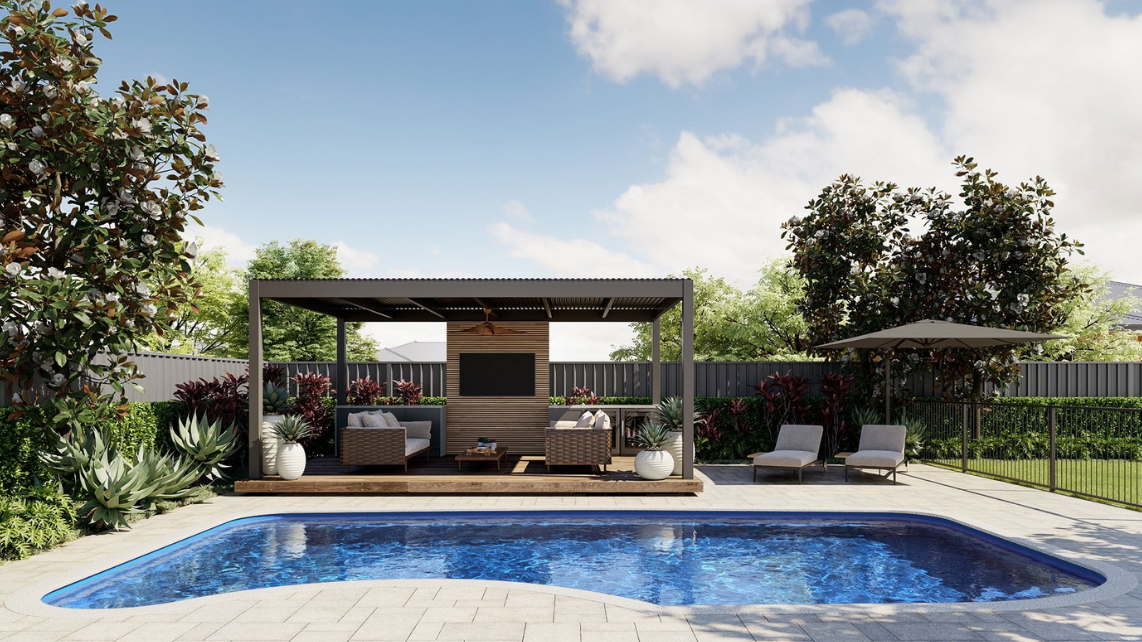
A magnesium system is best if comfort is your top priority and you want the most premium swimming feel. It suits homeowners who care about soft-feeling water, gentler swimming conditions, and a more luxurious pool experience day to day.
This option is a strong match for families who swim a lot and want water that feels kinder on skin, hair, and eyes. It also suits homeowners in Mackay who are willing to spend more in return for better comfort and a system that feels more refined in everyday use.
A recap of magnesium system advantages:
- Soft, silky water feel.
- Gentler on skin, eyes, and hair.
- Often seen as the most comfortable swimming option.
- Strong fit for frequent swimming in warm weather.
A recap of magnesium system disadvantages:
- Highest upfront cost of the three.
- Ongoing mineral top-up costs.
- Needs compatible equipment and proper balance.
- More specialised than a standard chlorine setup.
Final Thoughts
Choosing between chlorine, saltwater, and magnesium comes down to what matters most to you. Some homeowners want the lowest upfront cost, some want easier upkeep, and others want the softest water feel for regular family swimming in Mackay's warm climate.
Before you decide, think beyond the starting price. Look at how often you will swim, how much maintenance you want to handle yourself, and how important comfort is for your family over the long run.
If you ever need help with your fibreglass pool project, just reach out to us. We are licensed installers with years of experience installing and cleaning fibreglass pools in Mackay, and we're happy to chat or give you a quote.
And if you're still thinking about which fibreglass pool to choose, check out the fibreglass pool designs our partner offers. There's always something for every backyard and budget.