
Summer has a way of sneaking up on people. One minute you're thinking about adding a fibreglass pool to the backyard, and the next you're hoping it can be installed before Christmas, school holidays, or the first stretch of hot weather arrives.
The challenge is that a pool project involves more than placing a shell in the ground. Design decisions, site preparation, approvals, fencing, landscaping, and scheduling all need to happen at the right time.
A little planning can go a long way. This guide walks through a realistic timeline for getting a fibreglass pool ready for summer, based on the stages many of our Mackay clients follow when they begin during the cooler months.
Highlights
- Starting your pool project early can improve your chances of swimming by summer.
- A typical timeline includes planning, design, site preparation, installation, fencing, landscaping, and final pool commissioning before the warmer months arrive.
- Winter often provides favourable conditions for scheduling pool projects and coordinating trades.
- Each stage builds on the previous one, helping keep the project organised and moving forward.
- Allowing extra time for approvals, weather, and finishing works can help avoid unnecessary delays.
How Early Should You Start for a Summer Swim?
One of the most common questions we hear is, "When should I start if I want to be swimming by summer?"
The answer usually surprises people. A fibreglass pool installation can move along quite efficiently, but the entire project includes more than the pool itself. Choosing the right design, preparing the site, organising approvals where needed, installing fencing, and completing the surrounding area all take time.
Over the years, we've found that clients who start planning during the cooler months often have a smoother experience. There is more flexibility to work through decisions, schedule the different stages of the project, and complete the finishing touches before the warmer weather arrives.
A winter start is often a practical choice because it can offer:
- Drier conditions that are more suitable for excavation and site works.
- More time to work through approvals, site planning, and other pre-construction requirements.
- Greater flexibility and possible off-season deals when coordinating builders, electricians, landscapers, and other trades.
- More time to make decisions about fencing, paving, lighting, and the backyard layout.
- A stronger chance of having the pool and surrounding area completed before summer, Christmas, and school holiday gatherings.
That's why we've put together the timeline below based on the winter season. It reflects the path many of our clients take when aiming for a summer-ready pool in Mackay.
While every project is different, this example provides a realistic guide based on a winter start, with reasonable allowances between stages to account for weather, scheduling, and other factors that can influence the overall timeframe.
June: Start Planning Your Pool Project
June is where the journey usually begins. At this point, your goal is not to start digging but to build a plan for the months ahead.
This stage is also where expectations start to become reality. The pool design that looked perfect online may need adjustments once site access, available space, and budget are taken into account. Working through these details early creates a foundation for the rest of the project.

- Define how you want to use the pool. Before looking at shapes and colours, think about how the pool will fit into your lifestyle. A family with young children may have different priorities from someone focused on exercise, entertaining, or creating a relaxing backyard retreat.
- Explore pool designs that suit your property. Once you have a clearer purpose in mind, you can start comparing pool sizes, depths, layouts, and features. The best option is not always the largest one. You should choose the design that works comfortably within your available space and complements the surrounding area.
- Arrange a site assessment. You can do this on your own, but a professional site visit can identify factors that may greatly affect the project, including access limitations, sloping ground, retaining walls, underground services, and other site-specific considerations.
- Establish a project budget. The pool itself is only one part of the overall investment. Fencing, paving, landscaping, lighting, and other finishing works should also be considered early so there is a clearer picture of the total project cost.
- Choose the right pool builder. This is often the stage where people begin comparing products, warranties, installation processes, and local experience. Asking questions early can help you feel more confident about the team you choose to work with or to buy the pool kit if you would like to go DIY.
- Map out the months ahead. With the design direction, site information, and budget taking shape, it becomes easier to understand what happens next and when each stage of the project is likely to take place.
By the end of June, the aim is to have a clear direction for the project and the confidence to move into the next stage of planning.
July: Finalise Your Design and Prepare Your Site
By July, the bigger questions should already have answers. You have a clearer idea of the pool you want, where it will sit, and how it will fit into the rest of your backyard.
Design choices are locked in, site requirements are confirmed, and any remaining details that could affect the installation are addressed before work begins.
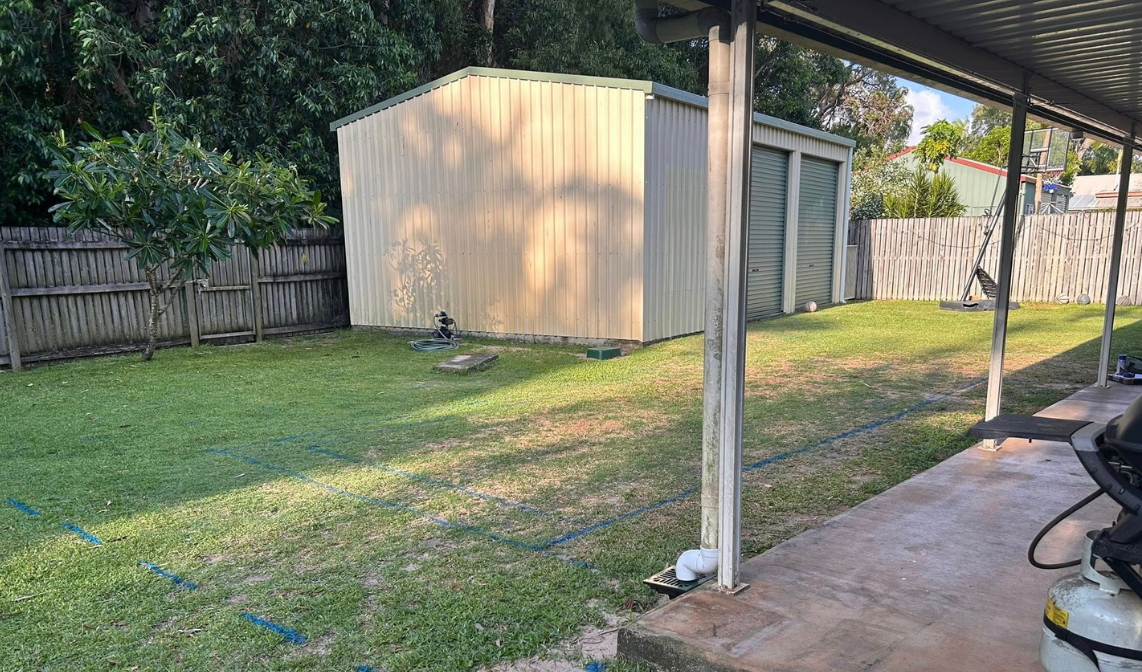
- Confirm your pool selection. This is the time to finalise the pool model, dimensions, colour, and any optional features you want included.
- Review the site requirements. Information gathered during the site assessment can now be used to plan access, excavation requirements, retaining solutions if needed, and any adjustments required to suit the property.
- Work through approvals and documentation. Depending on the project, there may be approvals, paperwork, or compliance requirements to address before construction can commence.
- Plan your fencing and surrounding areas. This is a good opportunity to think about fencing, paving, landscaping, pathways, and how people will move through the space once everything is complete.
- Coordinate installation scheduling. With the major decisions made and preparations underway, installation dates can be confirmed and the project schedule can begin taking shape.
July is often where the preparation done in June starts paying off. With the design finalised and the site ready to go, the project is in a much stronger position to move into installation during the following month.
August: Install Your Fibreglass Pool
After weeks of planning, design decisions, and site preparation, the pool starts taking shape on the property this August.
August is also a busy month for owner-builders. Quite a few of our clients choose to manage parts of the project themselves, particularly after purchasing a fibreglass pool shell through our DIY pool packages.
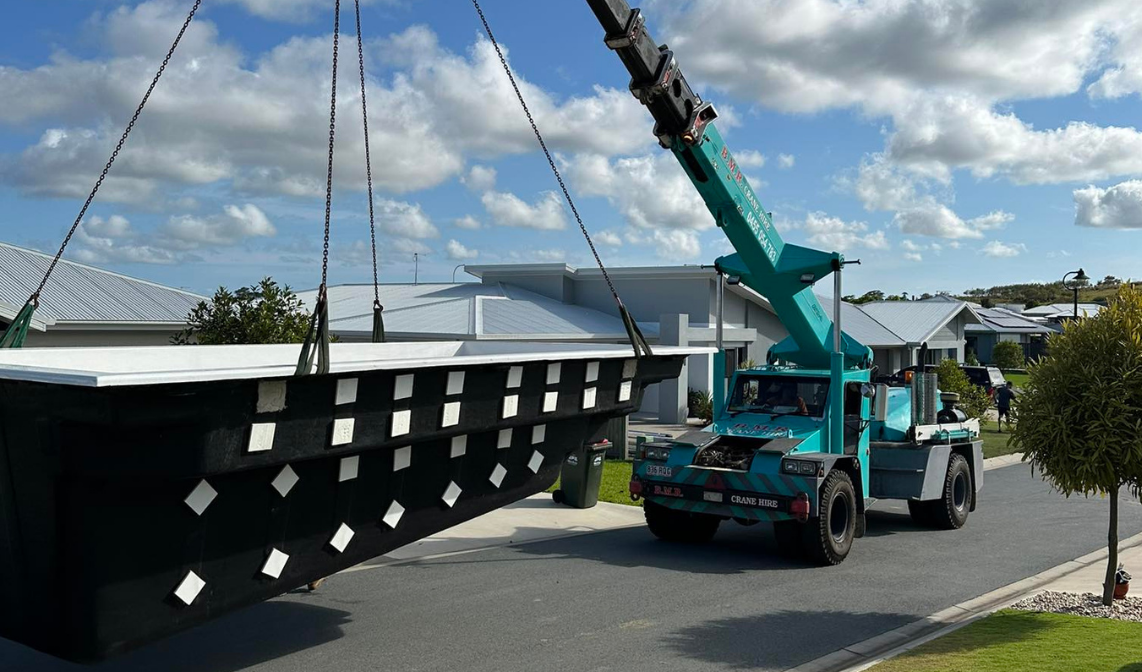
While the responsibilities may differ from a full installation service, the overall timeline is often very similar. The pool still needs to be delivered, positioned, connected, and prepared for the stages that follow before it is ready for use.
And while a fibreglass pool installation can be completed in as little as a week, projects do not always follow the ideal timeline. That's why we've allowed the full month of August in this example. It provides a realistic buffer for trade coordination, unexpected delays, personal schedules, and DIY pool projects where work is completed in stages.
- Prepare the site for construction. Before any excavation begins, the installation area is marked out and checked against the approved plans. Access requirements, machinery clearances, and site conditions are reviewed to ensure everything is ready for the next stage.
- Excavate and prepare the pool area. The excavation creates the space required for the pool shell and supporting base. Depending on the site, this stage may also involve managing soil removal, drainage considerations, and access challenges.
- Deliver and position the fibreglass pool shell. The pool shell arrives on site and is carefully lowered into position before levels and alignment are checked and adjusted where necessary.
- Complete plumbing and equipment works. Pipework, filtration equipment, pumps, and associated components are installed so the pool can operate correctly. Owner-builders may coordinate these trades separately, while full installation projects are typically managed by the pool builder.
- Backfill and prepare for the finishing stages. Once the pool is secure and connected, the surrounding area is backfilled and prepared for fencing, paving, landscaping, and the remaining works that will complete the project.
By the end of August, the biggest transformation has usually taken place. The pool is now in the ground, and attention can shift to the details that will turn the construction site into a finished backyard ready for summer.
September: Complete Fencing, Compliance, and Landscaping
While the pool naturally becomes the focal point, the surrounding works play a major role in how the finished area looks, feels, and functions.
Whether you're working with a pool builder, landscaper, or managing parts of the project yourself, September is usually focused on the details that connect all the pieces together.
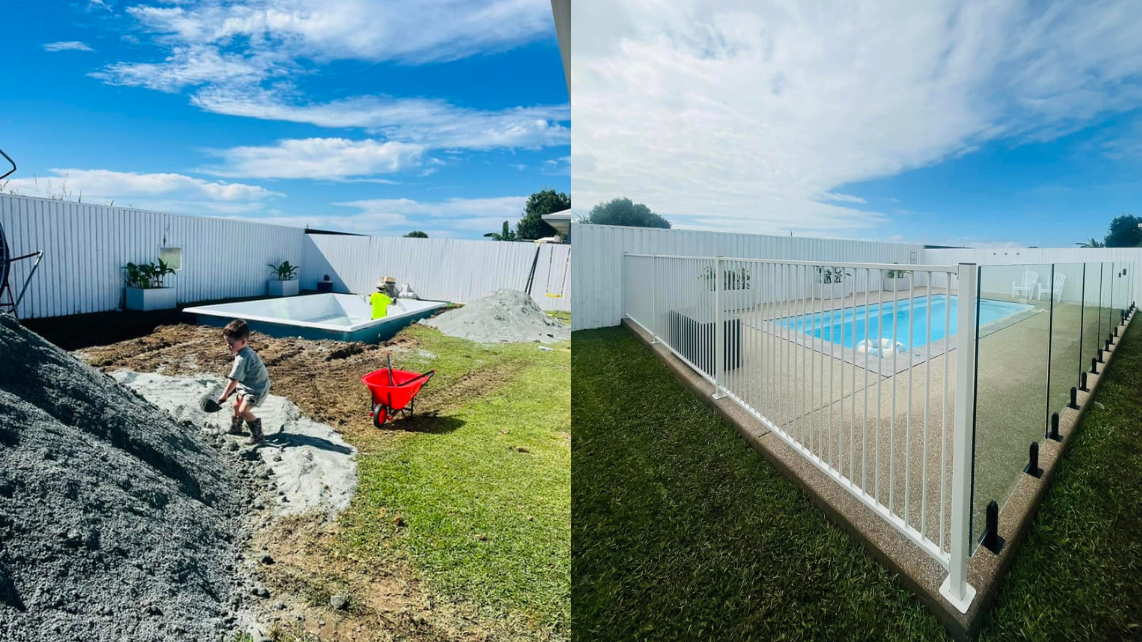
- Install the pool fencing. Pool fencing is one of the most important requirements of the project. The design should meet applicable safety regulations while also complementing the overall appearance of the backyard.
- Address compliance requirements. Depending on the project, inspections, certifications, and other compliance-related steps may need to be completed before the pool area can be fully signed off and used.
- Complete paving and surrounding surfaces. Pathways, pool coping, paving, and other hardscape elements help define the space and create safe, practical access around the pool area.
- Finish landscaping works. Gardens, turf, retaining features, and decorative elements can now be completed around the pool. These additions often soften the look of the installation and help the pool blend naturally into the backyard.
- Add the final outdoor features. Lighting, shade structures, seating areas, and other finishing touches can transform the area into a space that is comfortable to use throughout the warmer months.
By the end of September, the project is usually looking much closer to the finished vision discussed during the planning stage. The major construction works are largely complete, and the focus can shift toward preparing the pool for its first summer season.
October: Get Your Pool Ready for Swimming
October is often the month where everything starts coming together. The pool is installed, the surrounding works are largely complete, and the backyard is beginning to look the way it was imagined during the planning stages.
After months of preparation and construction, it can be tempting to jump straight into the water. Before that happens, there are still a few important steps to complete.
- Complete the pool commissioning process. Before the pool enters regular use, the final setup and commissioning activities should be completed to ensure the installation is ready for operation.
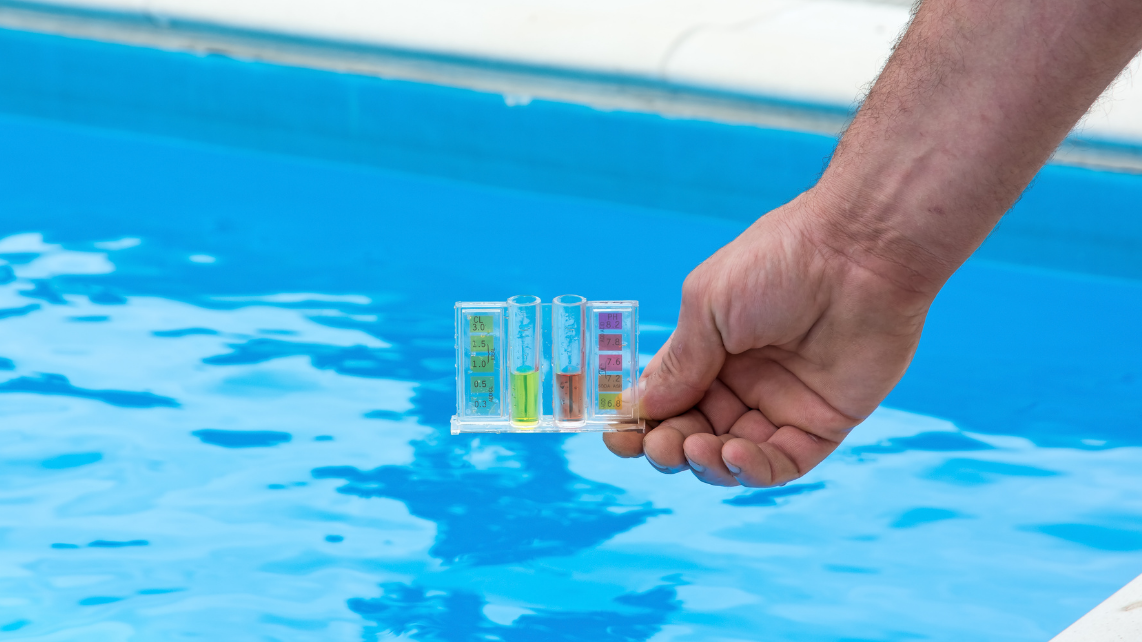
- Balance the pool water. Water chemistry should be adjusted to appropriate levels before swimming begins. Establishing the correct balance early helps protect the pool surface, supports water quality, and keeps the swimming environment comfortable.
- Test the equipment and circulation system. Pumps, filters, chlorinators, lighting, and other installed equipment should be checked to confirm everything is operating as intended before the pool enters regular use.
- Learn the basics of pool care. Understanding how to monitor water quality, clean the pool, and maintain equipment can make ongoing pool ownership much easier.
- Walk through the finished project. This is a good opportunity to inspect the completed works, familiarise yourself with the equipment, and make sure every part of the project has been completed to your expectations.
With the final preparations complete, the pool is ready for the warmer months ahead and the first swim is no longer far away.
Enjoy Your Pool All Summer Long!
Reaching this point is the result of months of planning, preparation, and construction. What started as an idea during the cooler months has now become a finished pool ready to be enjoyed throughout summer.
One of the biggest advantages of starting early is having the opportunity to enjoy the pool when the weather is at its best, rather than watching construction take place while everyone else is swimming.
Of course, every pool project follows its own timeline. Site conditions, approvals, weather, and the scope of works can all influence how long the process takes.
The timeline in this guide is simply an example of how a project can progress when planning begins during Mackay's cooler months and there is enough time allocated for each stage.
If a summer swim is the goal, starting earlier is often one of the best decisions you can make. A little planning during winter can put you in a position to enjoy your fibreglass pool from the very first warm days of the season.
Final Thoughts
Having a fibreglass pool ready for summer rarely comes down to installation speed alone. The projects that run most smoothly are usually the ones that allow enough time for planning, preparation, construction, and the finishing touches that complete the backyard.
If you're hoping to swim by summer, start the conversation earlier than you think you need to.
If you ever need help with your fibreglass pool project, just reach out to us. We are licensed installers with years of experience installing fibreglass pools in Mackay, and we're happy to chat or give you a quote.
And if you're still thinking about which fibreglass pool to choose, check out the fibreglass pool designs our partner offers. There's always something for every backyard and budget.